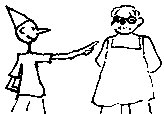
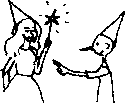
Come saluti il tuo dottore la mattina? (Ascolta gli audio e scegli l'opzione corretta).
How do you greet your doctor at 10:00 am? (Listen to the audio and choose the correct option).

Come saluti il tuo dottore la mattina? (Ascolta gli audio e scegli l'opzione corretta).
How do you greet your doctor at 10:00 am? (Listen to the audio and choose the correct option).
Rispondi alla domanda (scrivi il tuo nome o clicca sul microfono per dettarlo). Se clicchi il bottone Risposte e poi clicchi sul piccolo occhio nel riquadro rosso, vedrai una possibile risposta.
Answer the question (write your name or click the microphone to dictate it). If you click the Answers button and then click on the little eye in the red box, you will see a possible answer.Sono
Mi chiamo
Presentandoti in Italia (scegli l'opzione corretta):
When introducing yourself in Italy (choose the correct option):"Chi dice cosa?" Tra le seguenti espressioni, scegli quella che appartiene a ciascun personaggio (scrivi o clicca sul microfono per dettare).
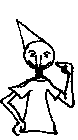
"Who says what?" Among the following expressions, choose the one that belongs to each character (write or click the microphone to dictate.)Esempio: the first character, Pinocchio, pointing at himself, says "io sono Pinocchio".
 |
|
|
 |
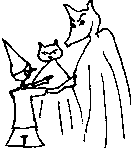 |
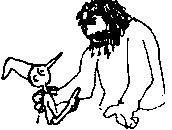 |
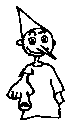 |
Pinocchio, non è buona educazione indicare qualcuno! It is not polite to point at someone! 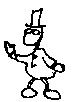 |
|
Riordina verbi e pronomi correttamente.
Help us to re-establish order and combine each subject pronoun with the corresponding form of the verb. IMPORTANT: maintain the order of the first column; e.g. the first answer has to be "tu sei", the second "noi siamo", and so on.| tu | sono | |
| noi | sei | |
| loro | siamo | |
| lui | è | |
| io | siete | |
| lei | è | |
| voi | è | |
| Lei | sono |
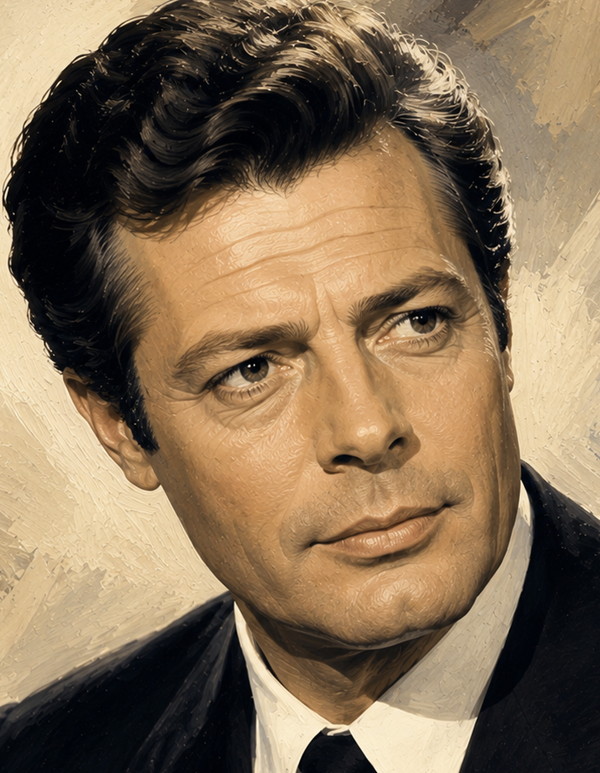
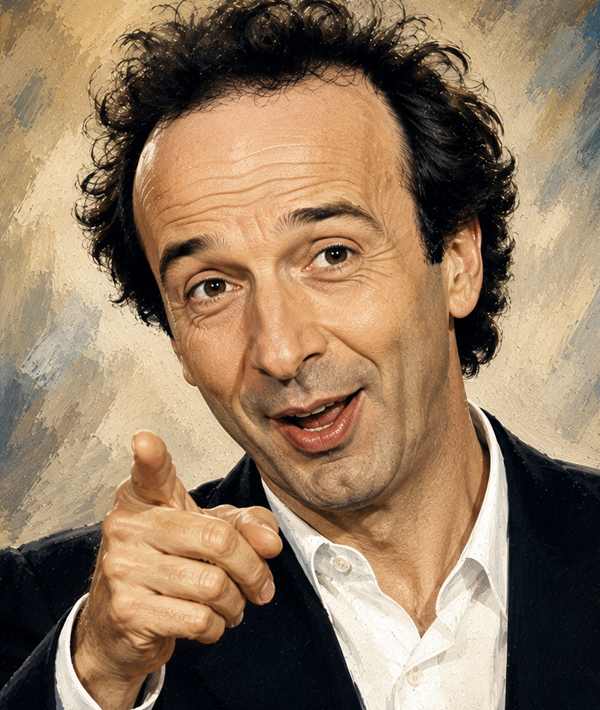
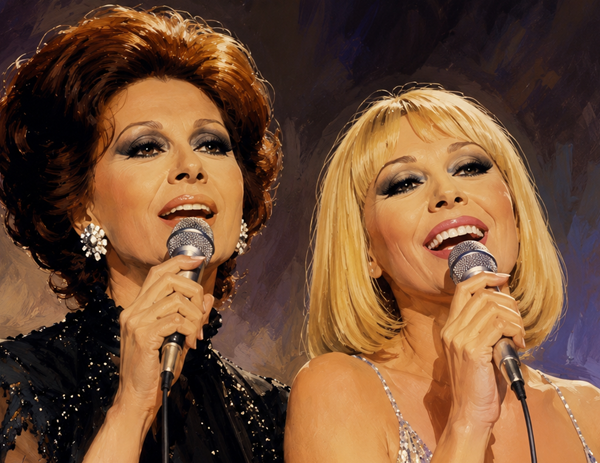
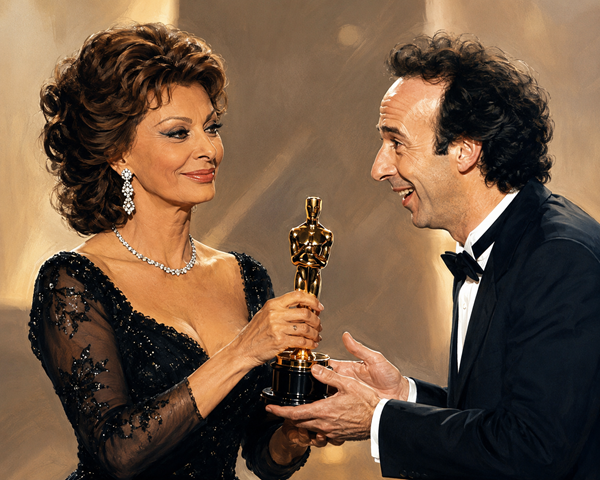
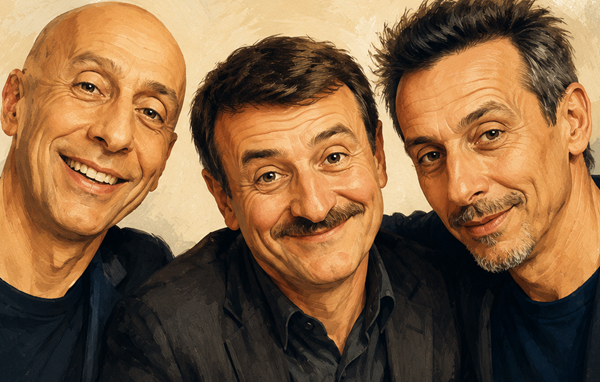
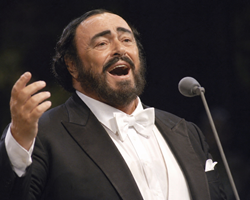
Attribuisci a ciascun personaggio le propria presentazione, scegliendo fra le frasi seguenti. Inserisci l'opzione corretta nello spazio apposito.
Among the sentences below, choose the correct one to introduce the person and insert it in the space provided. |
 |
 |
 |
 |
 |
 |
 |
Attribuisci a ciascuna parola inglese la traduzione italiana corretta, scegliendo fra le parole seguenti. Inserisci la traduzione italiana nello spazio apposito. Se non conosci il significato di una parola, usa il dizionario online.
For each English word, choose the correct Italian translation among the given words. Insert the Italian translation in the space provided. If you don't know the meaning of a word check the online dictionary.|
Loro sono... |
Buongiorno!
Come stai? |
Buonanotte! |
Buonasera!
Come va? |
Mi chiamo... |
Arrivederci!
Piacere! |
| Goodbye! |
How are you? |
Goodmorning! |
| Pleasure, nice to meet you! |
They are... |
My name is... |
| Goodnight! |
How is it going? |
Goodevening! |
Leggi il testo, usa il dizionario online se necessario e poi rispondi alle domande con Vero (V) o Falso (F).
Read the text, use the online dictionary if necessary and then reply to the questions with "Vero" (V - True) or "Falso" (F - False)."Ciao" è un saluto amichevole e informale. "Buon giorno, buon pomeriggio, buona sera" e "arrivederci" sono saluti più formali. Generalmente, quando due amici si incontrano, si salutano e poi chiedono: "Come stai?" oppure "Come va?"
"Ciao" is an informal greeting. V
"Arrivederci" can be a formal greeting. V
"Come stai?" is a very formal greeting. V
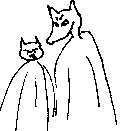
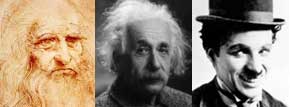
Immagina di essere in Italia; devi presentare i personaggi nella foto. Cosa dici? Usa le espressioni imparate in questa lezione.
Attenzione: in questo esercizio il programma NON può correggere automaticamente il tuo testo. Inserisci comunque una breve e semplice presentazione dei personaggi e poi comparala con il nostro esempio (se clicchi il bottone Risposte e poi clicchi sul piccolo occhio nel riquadro rosso, vedrai una possibile risposta). Questo esercizio può avere diverse soluzioni corrette.
Immagina di essere ad una festa in Italia; incontri una persona e vi presentate. Cosa dite? Usa le espressioni imparate in questa lezione.
Attenzione: in questo esercizio il programma NON può correggere automaticamente il tuo testo (se clicchi il bottone Risposte e poi clicchi sul piccolo occhio nel riquadro rosso, vedrai una possibile risposta). Inserisci comunque una breve e semplice presentazione e poi comparala con il nostro esempio di dialogo. Questo esercizio può avere diverse soluzioni corrette.

Ascolta l'audio mentre leggi il testo in italiano (ascoltalo molte volte). Inserisci le parole mancanti nello spazio apposito.
Listen to the audio while reading the Italian text (listen to it many times.) Insert the missing words in the space provided.|
In |
In a formal situation Italians usually introduce themselves by first name, last name and a handshake. |
|---|
|
Quando gli |
When Italians meet they usually kiss on both cheeks. Two men may kiss, just hug or shake hands. |
|---|