❤️

Deprecated: preg_replace(): Passing null to parameter #3 ($subject) of type array|string is deprecated in /home/cyberit/public_html/lms/lms_lesson_page.php on line 822

Here you practice how to use the dictionary, improve your listening skills and review the basic structures of the Italian language.

The linguistic elements you will find are:

Ripasso es. 2 es. 5 es. 6 es. 8 ed es. 9

Nel dialogo fra Pino e Celeste forse hai notato questa espressione:

"Non ci ho mai pensato."

In the dialogue between Pino and Celeste, you might have noticed the expression:

"Non ci ho mai pensato" (I have never thought about it).

La particella "ci" significa "a questo, a questa cosa". A livello principianti, in "maniera descrittiva" avresti potuto dire: "non ho mai pensato a questa cosa".

The little particle "ci" means "about it, about this thing". At beginner level, in a "descriptive way", you could have said: "Non ho mai pensato a questa cosa" (I have never thought about this thing).

A livello intermedio, in "maniera narrativa" gli italiani amano usare piccole particelle chiamate "pronomi" (che sostituiscono i nomi). In tal modo, si creano frasi più brevi, colorate, musicali ed espressive come "Non ci ho mai pensato".

At intermediate level, in a "narrative way", Italians like to use little particles called "pronouns" (that replace nouns). In this way, they create shorter, more colorful, musical and expressive sentences like "Non ci ho mai pensato" (I have never thought about it).

Nel livello Intermedio studierai e praticherai i pronomi e altre strutture intermedie. Tuttavia, prima di procedere, è una buona idea ripassare alcuni elementi di base della lingua italiana:

  • articoli
  • concordanze
  • preposizioni semplici e articolate

In the Intermediate level you will study and practice the pronouns and other intermediate structures. However, before we proceed it is a good idea to review some basic elements of Italian language:

  • articles
  • agreements
  • simple and combined prepositions
Gli articoli sono molto usati nella lingua italiana. Aiutano veramente ad introdurre e definire un nome e a rendere la lingua più musicale.
Articles are very used in Italian language. They really help in introducing and defining a noun and having a more musical language.

Osserva:

  • Ho visto uno studente e un bambino.
    (I saw a student and a child - undefined people).

  • Ho visto gli studenti e i bambini di una scuola.

    (I saw the students and the children of a school -
    -defined people, previously mentioned people or people in a specific situation require the use of the definite article)

  • Ho visto studenti e bambini.
    (I saw students and chilren - undefined people in a very generic situation do not require the use of the definite article).

Ripassa gli ARTICOLI:

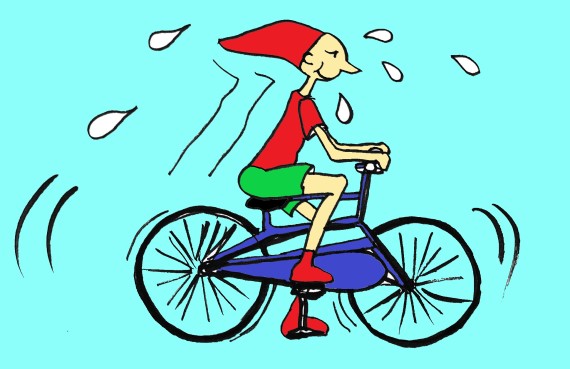
Pinocchio in bicicletta

Con un po' di sforzo in più, approfondisci l'argomento:

Articoli INDETERMINATIVI Articoli DETERMINATIVI
Le concordanze di articoli e nomi (con femminile e maschile, singolare e plurale) creano la musica della lingua italiana.
The agreement of articles and nouns (with feminine and masculine, singular and plural), creates the music of the Italian language.

Osserva:

  • Il ragazzo italiano.
  • La ragazza italiana.
  • I ragazzi italiani.
  • Le ragazze italiane.
  • I ragazzi e le ragazze italiani.
Continua a praticare le concordanze e gioca con la musica della lingua italiana.
Keep on practicing the agreements and play with the music of the Italian language.
Nel frattempo, ripassa e aggiungi alla musica della lingua anche le preposizioni.
Meanwhile, review and add to the music of the language also the prepositions.
Le preposizioni sono uno degli aspetti più illogici della lingua. Ci sono poche regole da imparare; il resto è solo pratica. Per esempio, gli italiani dicono:
Prepositions are one of the most illogical aspects of the language. There are a few rules to learn; the rest is just practice. For example, Italians say:
  • vado in montagna
    (I go to the mountains)
  • vado in campagna
    (I go to the countryside)
  • vado al mare
    (I go to the seaside;
    in this case the simple preposition "a" is combined with the article "il")
  • vado a casa
    (I go home)
  • vado a scuola
    (I go to school)
  • vado in ufficio
    (I go to the office)
  • vestito di moda,
    vestito alla moda
    (fashionable dress)
Le preposizioni si dividono in semplici e articolate.
Prepositions are divided into simple and combined.

Ripassa le PREPOSIZIONI:

Pinocchio in bicicletta

Con un po' di sforzo in più, approfondisci l'argomento:

Preposizioni SEMPLICI Preposizioni COMBINATE

Verbi es. 3 es. 4 ed es. 7

Molti studenti hanno ancora problemi con l'uso dei verbi. Capiamo che le coniugazioni dei verbi possano non essere facili. Tuttavia, sono molto importanti da sapere quando parliamo; dovresti averle pronte "sulla punta della lingua"!

Per imparare i verbi, studia le terminazioni (desinenze) corrette e continua a praticare con gli esercizi.

Many students still have problems with the use of verbs. We understand that verbs conjugations may not be easy. However, they are very important to know. When you speak; you should have them ready "on the tip of your tongue"!

In order to learn verbs, study the correct endings and keep on practicing with the exercises.

Ricorda che i verbi italiani hanno tre diverse terminazioni: ARE, ERE, IRE (ballARE, ridERE, dormIRE). Per coniugare un verbo bisogna togliere le desinenze dell'infinito e sostituirle con altre desinenze appropriate.

Remember that Italian verbs have three different endings: "ARE", "ERE", "IRE" (ballARE, ridERE, dormIRE). To conjugate a verb you replace the ending of the infinitive with other appropriate endings.

Per esempio, il presente indicativo del verbo BALLARE:

io ball-o
tu ball-i
lui/lei ball-a

noi ball-iamo
voi ball-ate
loro ball-ano

Parlando di Pino, (lui), sostituisci l'infinito ARE con "A", la terza desinenza del presente: "Pino ballA. Geppetto non ballA, Geppetto lavorA".

For example, the present indicative of the verb BALLARE (to dance):

io ball-o
tu ball-i
lui/lei ball-a

noi ball-iamo
voi ball-ate
loro ball-ano

Talking about Pino, (lui), you substitute the infinitive ARE with "A", the third ending of the present: "Pino ballA. Geppetto non ballA, Geppetto lavorA".

Io ball O sempre. Tu ball I ?

"Io ball O sempre. Tu ball I ?" (I always dance. Do you dance?)

Per formare il passato prossimo devi usare il verbo avere o essere con il participio passato del verbo.

To form the " passato prossimo ", you have to use the verb "avere" (to have) or "essere" (to be) with the past participle of the verb.

Per esempio, per formare il passato prossimo di BALLARE usi il verbo avere e sostituisci la desinenza dell'infinito "ARE" con la desinenza del participio passato "ATO": Pino HA ballATO. Io non HO ballATO

For example, to form the "passato prossimo" of BALLARE (to dance) you use the verb "avere" and you substitute the infinitive "ARE" with "ATO", the ending of the Past Participle: "Pino HA ball ATO . Io non HO ball ATO" (Pino has danced. I have not danced.)

Per formare il passato prossimo di USCIRE verbo di "movimento") usiamo "essere" e cambiamo l'infinito "IRE" in "ITO": "Lui È uscITO. Io non SONO uscITO".

To form the "passato prossimo" of USCIRE (to go out - verb of "mouvement") we use "essere" and we change the infinitive "IRE" with "ITO" : "Lui È usc ITO . Io non SONO usc ITO".

Tu sei uscito ieri? Hai ballato?

"Tu sei uscito ieri? (did you go out yesterday?) Hai ballato? (have you danced?)

Ripassa i VERBI:

Pinocchio in bicicletta

Con un po' di sforzo in più, approfondisci l'argomento:

Presente Passato prossimo Participio passato
Molto bene! Ti ha spaventato la grammatica? Rilassati! Vogliamo solo darti gli elementi per capire i meccanismi della lingua.
Very good! Did the grammar scare you? Relax! We just want to give you some elements to understand the structure of the language.
Ricorda però che la pratica è l'unico segreto per imparare. Quindi, dopo che finisci di leggere questa pagina di grammatica, vai avanti e completa gli esercizi!
Remember though that practice is the only secret to learning. Therefore, once you finish reading this grammar page, move on and complete the exercises!

Uso del dizionario - differenza fra sapere e conoscere Esercizio 4

Abituati ad usare il dizionario e non fermarti mai alla prima traduzione di un verbo. Controlla se un verbo ha diversi significati e se è usato in combinazione con altre parole e poi scegli la traduzione più appropriata.

Get in the habit of using the dictionary and never stop at the first translation of a verb. Check if a verb has different meanings and if it is used in combination with other words, and then choose the most appropriate translation.

Ad esempio: i verbi sapere e conoscere hanno un significato simile ma si usano in situazioni diverse.

For example, the verbs "sapere" and "conoscere" have a similar meaning but they are used in different situations.

Il verbo "sapere" significa "conoscere come dato di fatto, conoscere con cognizione di causa, possedere un'informazione, avere sentito di qualcosa..."

The verb "sapere" means 'to know as a matter of fact, to hear of something, to know how to...'

Il verbo "conoscere" significa "avere molta familiarità con qualcuno o qualcosa, sapere, conoscere di vista..."

The verb "conoscere" means 'to be familiar with, to be acquainted with, to know someone by sight...'

Clicca sui link sapere e conoscere per maggiori informazioni ed esempi di uso.

Click on the links sapere and conoscere for more information and examples of use.

Nel dizionario puoi anche scoprire se un verbo ha bisogno di "avere" o "essere" per formare il "passato prossimo".

Controlla se trovi esempi d'uso oppure verifica se c'è la sigla VTR vicino al verbo. In questo caso significa che il Verbo è TRansitivo e quindi generalmente utilizza "avere" per il passato prossimo.

Ad esempio, "sapere vtr" e "conoscere vtr":

ho saputo che sposi Alberto. Ho conosciuto Alberto l'anno passato.

In the dictionary you can also find out if a verb needs "avere" or "essere" to form the "passato prossimo".

Check if you find examples of use or check if there is the acronym VTR next to the verb. In this case it means that the Verb is TRansitive and therefore generally uses "avere" for the "passato prossimo".

For example, "sapere vtr" and "conoscere vtr":

"ho saputo che sposi Alberto. Ho conosciuto Alberto l'anno passato." (I have heard you are marrying Alberto. I have met Alberto last year.)

Sviluppo dell'ascolto

Molti studenti hanno ancora problemi con il capire l'italiano.

Nelle nostre lezioni ci sono molti modi per sviluppare l'ascolto: attraverso il Dialogo, il Bocconcino Culturale, gli esercizi e le attività.

La maggior parte degli audio nelle lezioni mostrano il testo corrispondente. Cerca il significato delle parole che non conosci, cerca sempre di capire il significato degli audio che ascolti.

Se necessario, usa il dizionario.

Pratica ora con gli audio seguenti:

Many students still have problems understanding Italian.

In our lessons there are many ways to develop your listening skills: through the Dialogue, the Cultural Tidbit, the exercises and the activities.

Most audios in the lessons show the transcript. Look for the meaning of the words you do not know. Always try to understand the meaning of the audio you listen to.

If necessary, use the dictionary.

Practice now with the following audios:

OGGI È VENTOSO

vento

OGGI È NUVOLOSO

nuvola

OGGI FA CALDO

caldo

OGGI FA FREDDO

freddo

OGGI SI STA BENE

si sta bene

Non avere paura di leggere un testo in italiano mentre ascolti il suo audio numerose volte. È un ottimo esercizio per sviluppare la comprensione, l'ascolto e la pronuncia.
Don't be afraid of reading an Italian text while listening to its audio several times: it is an excellent exercise to develop your listening, comprehension and pronunciation skills.

Pronuncia

Ascolta la parola/frase, clicca sul microfono per registrarti e cerca di raggiungere il punteggio più alto!