❤️

ABC of Italian style (Read)

Esistono molti stereotipi sull'Italia e gli italiani (così come su altre culture).

A volte sono sbagliati ma a volte riportano un fondo di verità.

Un proverbio medievale latino dice "vox populi, vox Dei" (la voce del popolo è la voce di Dio).

Giocando con gli stereotipi, puoi creare un ABC del tuo paese?

There are many stereotypes about Italy and Italians (as well as other cultures).

Sometimes they are wrong but sometimes they report a grain of truth.

A medieval Latin proverb says "vox populi, vox Dei" (the voice of the people is the voice of God).

Playing with stereotypes, can you create an ABC of your own country?

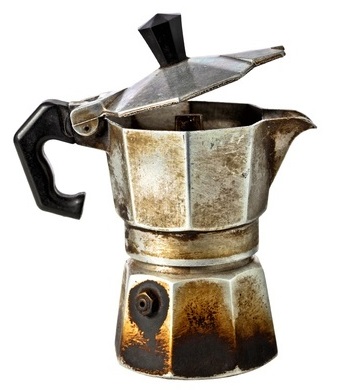
Caffettiera by Tiero, source 123rf

C come caffettiera. Gli italiani amano il caffè!

"ABC of Italian style" by Massimo Guadalupi

In questo articolo ironico, l'autore si è divertito a compilare una lista di stereotipi italiani.

Usa la tua intuizione per capire il significato generale del testo italiano.

In this ironical article, the author had fun compiling a list of Italian stereotypes.

Use your intuition to understand the general meaning of the Italian text.

Usa il dizionario online per cercare le parole che non conosci.

Use the online dictionary to look for words you do not know.

A. APERITIVO: Un rituale. La vita in Italia, per alcuni, dipende da dove, quando e con chi si beve l' Aperitivo. La vita dopo l' Aperitivo, dipende da quanti se ne sono bevuti.

A. APERITIVO: "aperitif". A ritual. Life in Italy, for some people, depends on where, when and with whom you drink your Aperitivo. Life, after the Aperitivo, depends on how many you have drank.

B. BUONO: quando mangi in Italia, non dimenticare mai di fare un commento su quello che mangi. Se sei invitato, dì che è buono anche se non è vero.

B. BUONO: "good". When you eat in Italy, never forget to comment on what you are eating. If you're invited, say it's "buono" even if it's not true.

C. CIAO: significa "Ciao", " Salve", "Come va", "Buon giorno", "Buona sera", "Buona notte", "Arrivederci", "A presto", "Aloha". In Italia, quando non sai cosa dire (o cosa fare) dì "Ciao!" e tutto sarà più facile...

C. CIAO: it means "Hi", "Hello","Howdy" "Good Morning", "Good Afternoon", "Good evening","Good night", "Good-bye", "See you","Aloha". In Italy, when you don't know what to say (or to do) just say "Ciao!" and everything will be easier...

D. DOMENICA: "il giorno del Signore"... ma soprattutto il giorno del Calcio. Le domeniche pomeriggio si possono vedere dozzine di uomini camminare con piccole radioline all'orecchio: non sono pazzi, ascoltano la diretta delle partite sportive. Va bene, forse sono un po' pazzi...

D. DOMENICA: Sunday. "The day of the Lord"... but most of all the Day of Soccer. On Sunday afternoons you can see plenty of men walking with a little radio-receiver at their ear: they're not crazy, they're listening to the live report of soccer matches. Well, maybe they are a little crazy...

E. ESTATE: sicuramente il momento migliore per andare in Italia. Gli snob ti diranno che la primavera è meglio, perché è meno calda, meno affollata e i prezzi sono più bassi. Probabilmente hanno ragione ma tu non curartene. Se vuoi vedere l'Italia nel suo fulgore, prenota una lunga, calda, indimenticabile vacanza estiva.

E. ESTATE: "summer". Certainly the best time to go to Italy. Snobbish people will tell you springtime (primavera) is better, because it is less hot, less crowded and prices are cheaper. They're probably right but don't you mind them. If you want to see Italy at its best, book a long, hot, unforgettable summer holiday...

F. FIAT: quelle piccole macchine dove spesso sei italiani cercano di entrare. Le dimensioni delle macchine Fiat sono la vera causa della crescita lenta del numero medio degli italiani...

F. FIAT: those small cars that six Italians often try to get into. The dimensions of Fiat cars are the real cause of the slow growth in the average number of Italians...

G. GESTI: gli italiani usano moltissimo le mani, la testa, le braccia e persino le gambe per comunicare... Quindi, se sei in Italia e non conosci la lingua aborigena, utilizza le mani e sorridi sempre! Nel caso peggiore verrai scambiato per un turista americano.

G. GESTI: "gestures". Italian people communicate a lot with hands, head, arms, even legs... So, if you are in Italy and don't know the Aboriginal language, use your hands and always smile! In the worst case you will be mistaken for an American tourist.

H. HOTEL: ci sono solo due tipi di hotel in Italia: 1) economici e brutti o 2) lussuosi e costosissimi. Quindi o hai il portafogli pieno, o farai meglio a passare la prossima vacanza in campagna con la tenda.

H. HOTEL: there are just two kinds of hotels in Italy: 1) cheap and ugly or 2) luxurious and expensive. So, either you have a full-filled wallet or you'd better spend your next holiday camping in the countryside.

I. IELLA: significa "sfortuna". Tocca ferro.

I. IELLA. it means "bad luck". Knock on wood.

L. LASCIA PERDERE: quando non vuoi stressarti, quando pensi che non valga la pena prendersela e litigare, fai come gli italiani: "lascia perdere"!

L. LASCIA PERDERE: "let go, forget it, don't worry". When you don't want to get stressed, when you think it's not worth getting angry and arguing, do like the Italians: "lascia perdere"!

M. MARCELLO MASTROIANNI: un italiano tipico se mai ce ne è stato uno. Per lui recitare e vivere erano la stessa cosa. Ora non recita più, ma per tutti, non solo in Italia, vivrà per sempre.
M. MARCELLO MASTROIANNI: a typical Italian if ever there was one. For him to act and to live were the same thing. Now he can't act any more but for everybody in the world, not only in Italy, he will live forever.

N. NONNI: la famiglia tradizionale italiana include i nonni. La nonna cucina e prepara pranzi squisiti per tutti, il nonno è sempre pronto ad aiutare con lavori manuali e giardinaggio. Viva i nonni!

N. NONNI: "grandparents". The traditional Italian family includes grandparents. Grandma cooks and prepares delicious meals for everyone, grandpa is always ready to help with crafts and gardening. Hooray for the grandparents!

O. OROLOGIO: gli italiani non si curano troppo del tempo; normalmente non rispettano gli orari, ma certamente rispettano gli orologi. Collezionano Swatches (patacca di plastica svizzera) e amano i Rolex (patacca di metallo costoso svizzera).
O. OROLOGIO: "wristwatch". Italian people don' t worry too much about time; they usually don't respect schedules but surely they do respect wristwatches. They collect Swatches (Swiss plastic crap) and love Rolex (Swiss expensive metal crap).
P. PASTA: la pasta è semplicemente il miglior alimento inventato dall'uomo. Punto.
P. PASTA: pasta is simply the best food ever invented by man. Full stop.
Q. QUASI: usato spesso. Il pranzo è "quasi" pronto, il tassì è "quasi" arrivato, il mio amore è "quasi" sconfinato...
Q. QUASI: "almost", "nearly". Often used. The meal is "quasi" ready, the cab is "quasi" arrived, my love is "quasi" eternal...

R. ROMA: immagina la realtà come un set cinematografico, nel quale si mischiano antiche rovine romane, capolavori rinascimentali, lo stile della Dolce Vita, un clima temperato, donne affascinanti e cibi prelibati. Non riesci a indovinare? Hai  vissuto troppo in New Jersey...

R. ROMA: imagine a real-life movie set, in which are mixed Ancient Roman buildings, Renaissance art-works, the Dolce Vita life-style, a warm climate, charming women and delicious food. Can't guess? You've lived too long in New Jersey...

S. STILE: gli italiani hanno stile, questo è sicuro. È una specie di qualità interiore difficile da spiegare... è semplicemente così, dai pittori del quindicesimo secolo alle boutique di moda sulla quinta avenue. E i prezzi si adeguano: un vestito italiano costa come un capolavoro di Michelangelo.
S. STILE: "Style". Italians have got style, that's a fact. It's an inner quality you can't define... it's simply like that, from 15th century painters to the latest fashion boutique on Fifth Avenue. And the prices follow: an Italian dress is almost as expensive as a Michelangelo masterpiece.

T. TEMPO: è una delle cose più importanti in Italia. Si può passare una giornata intera parlando del tempo. Di sicuro, appena c'è bel tempo gli italiani vanno al mare.

T. TEMPO: "Weather". It's one of the most important things in Italy. You can spend a whole day talking about the weather. For sure, as soon as the weather is good, Italians go to the beach.

U. UVA: con l'uva si fa il vino. L'Italia ha il miglior vino del mondo.

U. UVA: "grapes". Wine is made with grapes. Italy has the best wine in the world.

V. VIA VENETO: la strada di Roma che fu il centro della Dolce Vita trent'anni fa. Ora ci sono solo cosiddetti hotel eleganti per businessmen giapponesi e night-club dai nomi esotici.
V. VIA VENETO: a street in Rome that thirty years ago was the center of the DolceVita. Now there are just supposed to be elegant hotels for Japanese businessmen and night-clubs with exotic names.

Z. ZANZARA: non pericolosa come quella africana ma pur sempre fastidiosa se stai sorseggiando un Martini in un bar all'aperto...

Z. ZANZARA: "mosquito". Not as dangerous as the african ones but quite annoying if you're sipping a Martini in a open-air bar...

Pronuncia

Ascolta la parola/frase, clicca sul microfono per registrarti e cerca di raggiungere il punteggio più alto!