

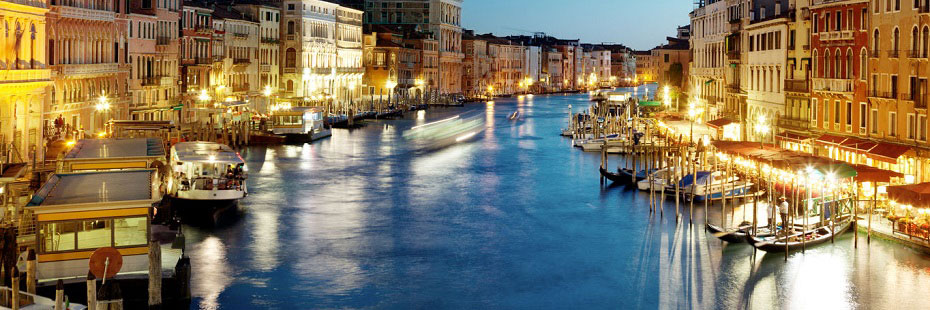
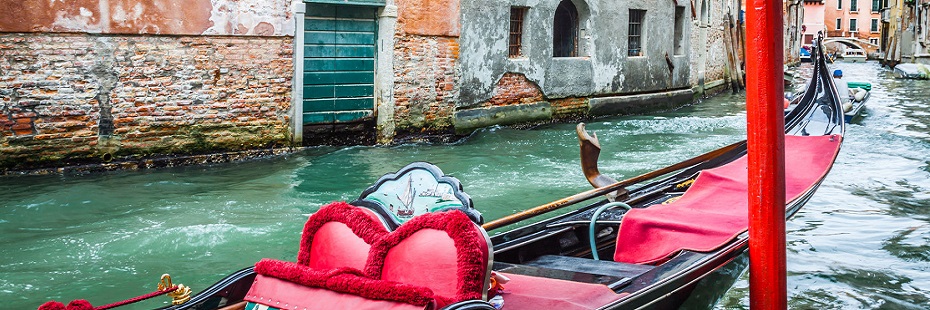
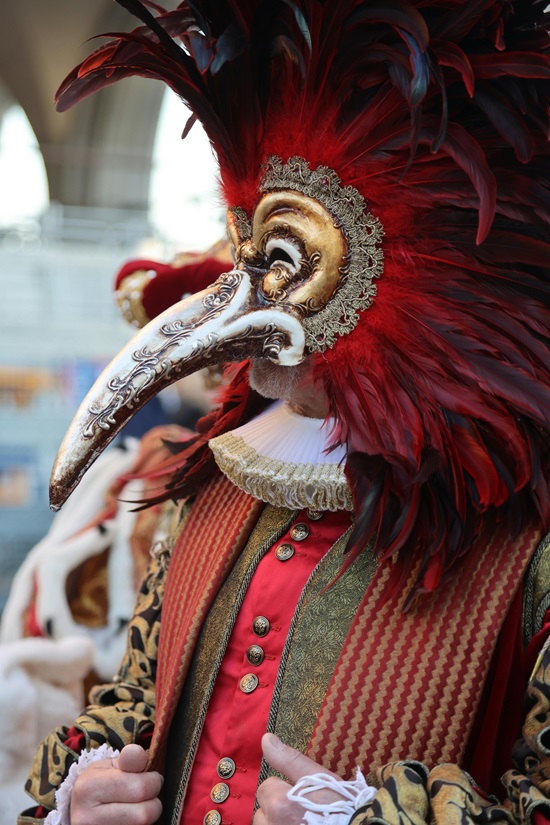
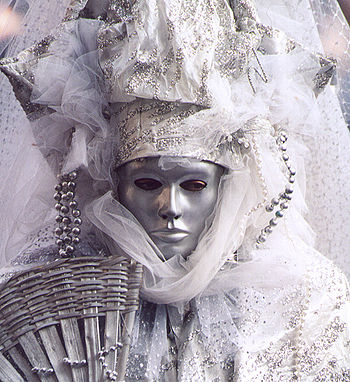
Febbraio è il mese del carnevale. Inizia 40 giorni prima di Pasqua e termina il Martedì grasso, il giorno prima del Mercoledì delle Ceneri. Le maschere sono sempre state un elemento centrale del carnevale. A Venezia erano così diffuse che incontrando qualcuno mascherato il saluto più comune era "buongiorno, Signora Maschera".
A te piace mascherarti? |
February is the month of Carnival. It starts 40 days before Easter and ends on Shrove Tuesday (Fat Tuesday or Martedì Grasso), the day before Ash Wednesday. Masks have always been a central feature of Carnival. In Venice they were so widespread that when meeting someone masked the most common greeting was "good morning, Ms. Mask".
Do you like to wear a mask?
|
|---|
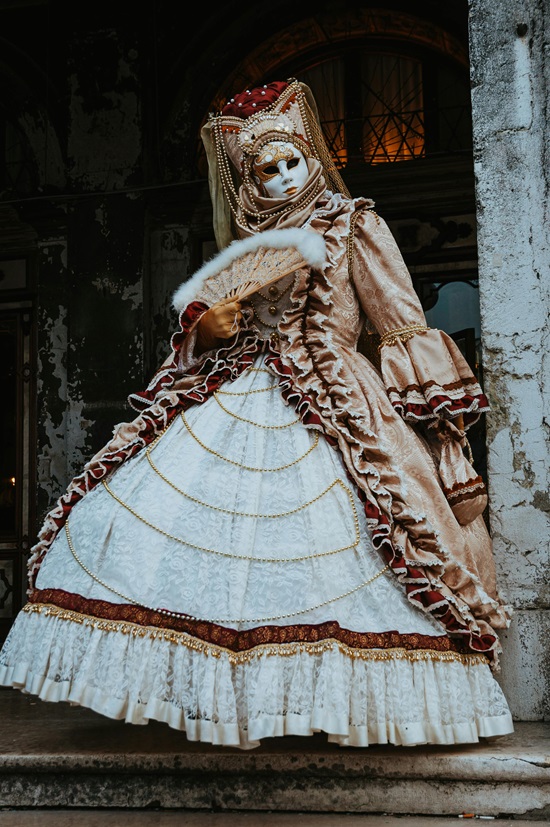
Buongiorno Signora Maschera!
Share this activity:
;)
;)
Le maschere e i dolci fanno parte del Carnevale italiano. Ogni regione ha usanze particolari ma Venezia è la città principe per le maschere. Leggi maggiori informazioni sul grandioso Carnevale di Venezia e preparati a fare i "Crostoli" o "Chiacchere" i famosi dolci di Carnevale. |
Masks and sweets are part of the Italian Carnival. Each region has special traditions but Venice is the main city for masks. Read more about the magnificent Carnival of Venice and get ready to make "Crostoli" or "Chiacchere" the famous Carnival dessert. |
|---|---|
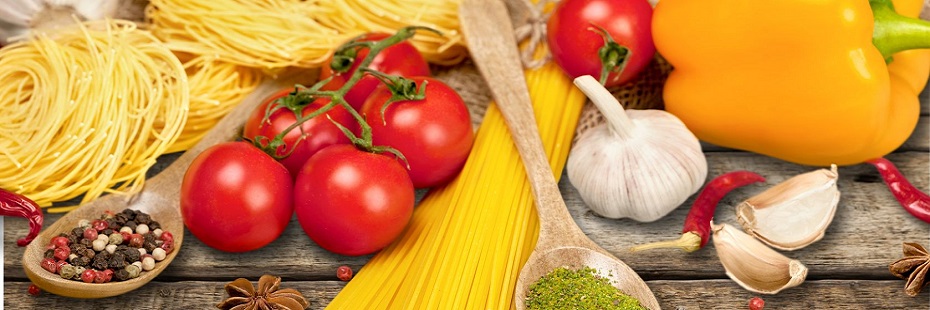
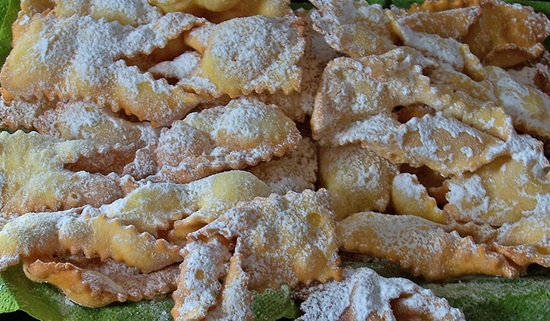
In Italia non è Carnevale, se sulle tavole non compaiono i cosiddetti crostoli. Un dolce sinonimo di Carnevale dalle tradizioni culinarie antiche, che è facile preparare anche in casa. Come? Seguendo la ricetta tradizionale che qui sotto riportiamo.
Ingredienti:
|
Crostoli - An Italian dessert that brings Mardi Gras to your home! Crostoli is a dessert of ancient culinary traditions, synonymous with Mardi Gras, that is easy to prepare at home. How? By following the traditional recipe outlined below.
Ingredients:
|
| Preparazione: Liquefare il burro in un tegamino posto sopra un recipiente con acqua calda; aggiungere: zucchero, sale, qualche cucchiaio di latte e sciogliere il tutto. Fare una fossetta nella farina ammucchiata sulla tavola; versare dentro il burro preparato e: uovo, tuorlo, vino, limone. Lavorare la pasta per 30 minuti: questa deve essere più morbida della pasta da lasagne, perciò se fosse necessario, aggiungere ancora latte tiepido. Stendere la pasta della grossezza di una costa di coltello e tagliarla a nastri, rettangoli o trecce. Friggere nell’olio e cospargere di zucchero. Come variante, nell’impasto si può aggiungere anche un po’ di polvere lievitata. Ecco fatto, e buon appetito. | Preparation: Melt the butter in a bowl placed on top of a pot with hot water; mix sugar, salt and a few tablespoons of milk. Make a hole in the middle of the mound of flour on the table. Pour in the melted butter and the egg, egg yolk, whine and lemon. Knead the dough for 30 minutes. It should be softer than lasagna dough, so if necessary, add some more warm milk. Flatten the dough (approximate thickness of a knife) and cut out shapes of ribbons, rectangles or braids. Fry in oil and cover with sugar. As a variation, add some baking powder to the mixture. Finí! Buon appetito! |