In dicembre molte persone si stressano.
Iniziano a pensare “devo comprare i regali, non ho tanti soldi, devo incontrare i miei parenti, devo ospitare queste persone, devo fare una vacanza, non ho tempo per me…”
Tu ti stressi quando arriva dicembre?
In December many people get stressed out. They start thinking “I have to buy gifts, I don’t have much money, I have to meet my relatives, I have to accommodate these people, I have to take a vacation, I do not have time for myself…” Do you get stressed out in December?
Un proverbio italiano dice “tradurre è tradire”.
Quando possibile, è meglio evitare di tradurre e parlare direttamente nella lingua che si vuole usare.
Ma a volte, soprattutto quando iniziamo a praticare una lingua nuova, tradurre è necessario.
Allora qual è il modo migliore per tradurre?
Sai usare il dizionario?
An Italian proverb says “to translate is to betray.” When possible, it is better not to translate and speak directly into the language we want to use. But sometimes, especially when we start practicing a new language, translation is necessary. So what is the best way to translate? Do you know how to use the dictionary?
Sapere quando e come chiedere è molto importante nella vita.
Un bel gioco da fare è rivolgere la stessa domanda a varie persone e sentire quante risposte diverse riceviamo.
Hai mai provato?
Sai fare domande in italiano?
Knowing how and when to ask is very important in life. A nice game to do is asking the same question to several people and checking how many different answers we get.
Have you ever tried? Can you ask questions in Italian?
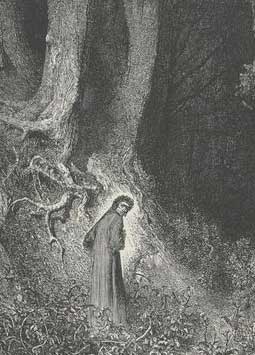
Si dice che la storia della letteratura italiana inizi con questo famoso “indovinello veronese”, scritto verso la fine del 700 d.C.: Teneva davanti a sé i buoi, arava i bianchi prati, ed un bianco aratro teneva ed un nero seme seminava.
Di chi parla l’indovinello?
Some people say that the history of Italian literature begins with this famous “Veronese riddle”, written towards the end of 700 AD: He held before him the oxen, plowed white meadows, and a white plow he held and a black seed he sowed.
Who is the riddle talking about?
A fine ‘800 e inizi ‘900 una gran parte dell’emigrazione italiana si orientò verso gli Stati Uniti e Canada, un’altra grande parte verso il sud america (principalmente Argentina, Uruguay e Brasile).
Molti italiani e discendenti di italiani sono diventati famosi in tutto il mondo.
Facciamo un gioco?
Quanti italiani “internazionali” famosi conosci?
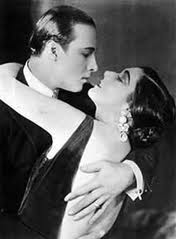
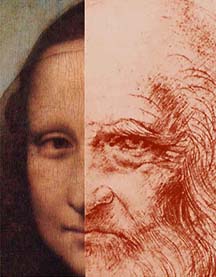
At the end of the nineteenth and early twentieth century, a large part of Italian emigrants turned to the United States and Canada, another large part to South America (mainly Argentina, Uruguay and Brazil). Many Italians and descendants of Italians have become famous all over the world. Shall we play a game? How many famous “international” Italians do you know?
Quando studiamo una lingua straniera è utile imparare a memoria alcune parole, strutture linguistiche e verbi. Per alcune persone imparare a memoria è difficile e faticoso. Tu hai una buona memoria? Quali sono le tue strategie per ricordare le cose?
When studying a foreign language it is useful to memorize some words, language structures and verbs. For some people, memorizing is difficult and cumbersome. Do you have a good memory? What are your strategies for remembering things?
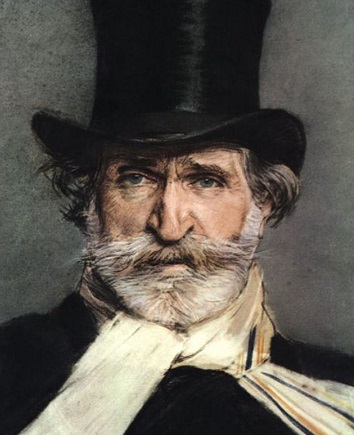
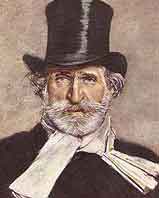
Giuseppe Verdi. Il Maestro. Semplicemente il Maestro. Uno dei più grandi compositori della storia. Riusciva a rendere vera la finzione e fantastica la realtà.
Diceva: Copiare il vero può essere una buona cosa, ma inventare il vero è meglio, molto meglio.
Hai mai ascoltato un’opera di Verdi?
Giuseppe Verdi. Il Maestro. Simply the Master. One of the greatest composers in history. He could turn fiction into reality and reality into a fantasy.
He would say: Copying reality can be a good thing, but inventing reality is better, much better.
Have you ever listened to an opera by Verdi?
In Italia le cose non sono sempre facili: la burocrazia è pesante e la società è molto gerarchica. A volte è difficile realizzare qualcosa, fare il lavoro che piace o esprimere il proprio talento. Tuttavia, molti italiani non si scoraggiano e usano la creatività per raggiungere ciò che desiderano, esprimere la propria passione e vivere una vita appagante.
Tu ti scoraggi quando hai delle difficoltà?
Cosa fai in caso di difficoltà?
In Italy, things are not always easy: bureaucracy is heavy and society is very hierarchical. Sometimes, it is hard to accomplish things, do the job you like or express your personal talent. However, many Italians don’t give up and use their creativity in order to accomplish what they want, express their passion and live a fulfilling life. Do you get discouraged when you have any difficulties? What do you do when you have difficulties?
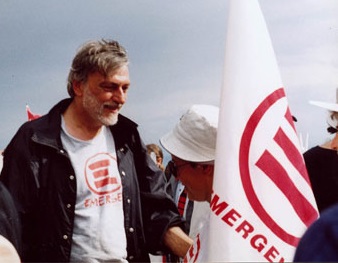
Doctor and surgeon Gino Strada at Assisi 2002 March for Peace (source Wikipedia)
Il 13 agosto 2021 è mancato il dottor Gino Strada, chirurgo, filantropo, fondatore di Emergency. Ci piace ricordarlo per il suo impegno contro le guerre, tutte le guerre, e per avere fondato molti ospedali nelle zone più difficili del mondo, incluso l’Afghanistan, per curare tutti senza distinzione di colore, genere, religione o fazione. Conosci Gino Strada? Sai cosa diceva sugli ospedali in zone di guerra?
Doctor Gino Strada, surgeon, philanthropist, founder of Emergency, passed away on August 13, 2021. We like to remember him for his commitment against wars, all wars, and for having founded many hospitals in the most difficult areas of the world, including Afghanistan, to treat everyone without distinction of color, gender, religion or faction. Do you know Gino Strada? Do you know what he said about hospitals in war zones?
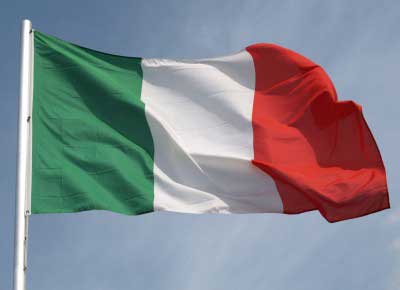
La bandiera d’Italia (spesso definita come il Tricolore) ha tre bande verticali di uguali dimensioni in verde, bianco e rosso, con il verde a lato dell’asta. La sua forma attuale è stata in uso dal 19 giugno 1946 ed è stata formalmente adottata il primo gennaio 1948.
Ti piace la bandiera italiana?
The flag of Italy (bandiera d’Italia, often referred to in Italian as il Tricolore) has three equally sized vertical pales of green, white, and red, with the green at the hoist side. Its current form has been in use since 19 June 1946 and was formally adopted on 1 January 1948.
Do you like the Italian flag?





 Si dice che la storia della letteratura italiana inizi con questo famoso “indovinello veronese”, scritto verso la fine del 700 d.C.: