Streghe a Calcata – differenza fra chi e che (Witches in Calcata – difference between “chi” e “che”)

Fra le varie storie e leggende che circolano a Calcata, gli abitanti raccontano che nei tempi antichi, alla fine del mese di ottobre, vi avveniva un grande raduno di streghe. Queste storie probabilmente sono un retaggio di riti pagani in cui si celebravano gli dei e la natura (la città italiana che vanta il più famoso raduno delle streghe è Benevento).
Tuttavia, sulla scia delle antiche streghe, ogni anno a Calcata si celebra un coloratissimo Halloween la notte del 31 Ottobre.
Ufficialmente, in Italia il giorno della celebrazione dei defunti è il 2 novembre.
E tu? Osservi queste tradizioni?
Credi nelle leggende?

Among the many stories and legends that circulate in Calcata, residents say that in ancient times, at the end of October, there occurred a large gathering of witches. These stories are probably a remnant of pagan rituals that celebrated the gods and nature (the Italian city that boasts the most famous gathering of witches is Benevento.)
However, in celebration of the ancient witches, every year in Calcata a colorful Halloween is held on the night of October 31st.
Officially, in Italy the Day of the Dead is November 2nd.
And you? Do you celebrate these traditions?
Do you believe in legends?

To practice Italian this week we invite you to read, watch and test…
PRACTICE HERE: Italian/English Version

Para practicar el idioma italiano esta semana te invitamos a leer, mirar y testar…
PRACTICA AQUÍ: Versión Italiano/Española

image source: wikipedia.org

Moda italiana: 5 regole per vestirsi bene (Italian fashion: 5 rules to dress well)

Dicono che la moda italiana sia speciale per l’attenzione ai dettagli, al disegno delle stoffe e alla qualità dei materiali. E gli italiani amano vestirsi bene per “fare bella figura”.
A te piace fare bella figura?

They say Italian fashion is special for its attention to detail, fabric design, and the quality of its materials. Italians certainly love to dress well and to make a good impression.
Do you like to make a good impression, too?

To practice Italian this week we invite you to watch and read…
PRACTICE HERE: Italian/English Version

Para practicar el idioma italiano esta semana te invitamos a mirar y leer…
PRACTICA AQUÍ: Versión Italiano/Española

(Image courtesy of 123rf)

Una telefonata (a telephone call)

Gli italiani sono spesso spinti all’azione dalle emozioni e dalle relazioni. Questo spiega come mai, nonostante la crisi economica, in Italia ci siano più telefoni cellulari che italiani (150 cellulari ogni 100 italiani – fonte World Telecommunication/ICT Indicators Database).
Nonostante in Italia le tariffe della telefonia mobile siano fra le più alte in Europa, gli italiani amano chiamare spesso gli amici e i familiari.
Ti piace telefonare ai tuoi amici?

Italians are often driven to action by emotions and relationships. This explain why, in spite of the economic crisis, in Italy there are more mobile phones than people (150 mobile phones each 100 Italians – source World Telecommunication/ICT Indicators Database).
Even though the Italian rates for the use of mobile phones are among the highest in Europe, Italians love to call their friends and relatives often.
Do you like to call your friends?

To practice Italian this week we invite you to play…
PRACTICE HERE: Italian/English Version

Para practicar el idioma italiano esta semana te invitamos a jugar…
PRACTICA AQUÍ: Versión Italiano/Española

Picture source 123rf

Verbi utili per viaggiare in Italia (Useful verbs for traveling in Italy)

A village in Umbria, Italy.
Camminare, vedere, sentire” are useful verbs in this situation.

I verbi sono “parole d’azione” perché indicano quale azione avviene (o è avvenuta o avverrà).
In italiano i verbi devono essere “coniugati” (cambiano il finale a seconda del soggetto a cui si riferiscono).
Tu pratichi le coniugazioni dei verbi italiani?
Sai quali sono i verbi più utili per viaggiare in Italia?

Verbs are ‘action words’ as they indicate what action is happening, (or happened, or will happen).
Italian verbs have to be “conjugated” (they change their ending depending on the subject to whom they refer).
Do you practice Italian verb conjugations?
Do you know which are the most useful verbs for traveling in Italy?

To practice Italian this week we invite you to play…
PRACTICE HERE: Italian/English Version

Para practicar el idioma italiano esta semana te invitamos a jugar…
PRACTICA AQUÍ: Versión Italiano/Española

Picture source 123rf

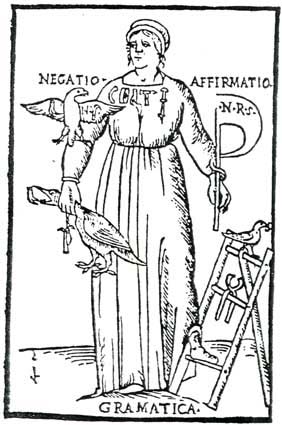
Quanto ti spaventa la grammatica? Aggettivi e verbi (How scary can the grammar be? Adjectives and verbs)

How scary can the grammar be?

Alcuni studenti non amano la grammatica perché la trovano difficile da capire.
Ma la grammatica è solo un mezzo che ci aiuta a parlare, nient’altro.
Ad esempio, conoscere la differenza fra aggettivi e verbi ci aiuta a creare una frase italiana comprensibile.
Tu conosci la differenza fra aggettivi e verbi?

Some students don’t like grammar because they find it hard to understand.
But grammar is just a tool that helps us speak, nothing more.
For example, knowing the difference between adjectives and verbs helps us build a sentence in Italian that makes sense.
Do you know the difference between adjectives and verbs?

To practice Italian this week we invite you to write and listen…
PRACTICE HERE: Italian/English Version

Para practicar el idioma italiano esta semana te invitamos a escribir y escuchar…
PRACTICA AQUÍ: Versión Italiano/Española

Le più famose canzoni italiane (The Most Famous Italian Songs)

La musica è più di un semplice suono: è una forza che plasma stati d’animo e ricordi. È un linguaggio universale che può confortare, guarire e ispirare.
Andrea Bocelli una volta ha detto: “C’è musica classica così bella da diventare popolare, e musica popolare così bella da diventare classica. Quando la musica è bella, è semplicemente bella”.
Conosci le canzoni italiane più famose?

Music is more than just sound – it’s a force that shapes moods and memories. It’s a universal language that can comfort, heal, and inspire.
Andrea Bocelli once said: “There is classical music so beautiful it becomes popular, and popular music so beautiful it becomes classical. When music is beautiful, it’s simply beautiful.”
Do you know the most famous Italian songs?

To practice Italian this week we invite you to listen and read…
PRACTICE HERE: Italian/English Version

Para practicar el idioma italiano esta semana te invitamos a escuchar y leer…
PRACTICA AQUÍ: Versión Italiano/Española

(Image courtesy of Pixabay on pexels)

Fai una pausa e leggi: L’Italia di oggi e di ieri (Take a Break and Read: Italy Today and Yesterday)

Nel nostro mondo moderno, in cui siamo abituati a scorrere contenuti velocemente, saltando da un post a un video e a una notifica, cosa succede se ci fermiamo mezz’ora?
Cosa succede se ci prendiamo un momento per leggere con calma?
Ti piace fare delle pause?
Ti piace leggere?
C’è una nuova rivista italiana online, WomenLife , dedicata a chi vuole conoscere gli ultimi libri di grido in Italia, episodi storici particolari, a chi ama lo spettacolo, il vino, la cucina, viaggiare…

In our modern world, where we’re used to scrolling quickly through content, jumping from a post to a video to a notification, what happens if we stop for half an hour?
What happens if we take a moment to read slowly, without rushing?
Do you enjoy taking breaks?
Do you enjoy reading?

There’s a new Italian online magazine, WomenLife , dedicated to those who want to discover the latest bestselling books in Italy, intriguing moments from history, and who love entertainment, wine, food, and travel…

To practice Italian this week we invite you to read…
PRACTICE HERE: Italian/English Version

Para practicar el idioma italiano esta semana te invitamos a leer…
PRACTICA AQUÍ: Versión Italiano/Española

Eternamente ora! Presente, gerundio, imperfetto (Eternally now! Present, gerund, imperfect)


Il famoso filosofo Seneca scriveva ad un caro amico: “il peggior spreco della vita sta nel differirla” e lo esortava a non rimandare niente e a vivere nel presente.
Tu vivi nel presente? Rimandi sempre le cose?

The famous philosopher Seneca wrote to a dear friend: “the worst waste in life is to delay life” and urged him not to postpone anything and to live in the present.
Do you live in the present? Do you always postpone things?

To practice Italian this week we invite you to sing and test…
PRACTICE HERE: Italian/English Version

Para practicar el idioma italiano esta semana te invitamos a cantar y probar…
PRACTICA AQUÍ: Versión Italiano/Española

Io e i miei amici (My friends and I)

Gli “aggettivi” sono parole che descrivono.
Quanti aggettivi nella tua lingua sono simili ad aggettivi italiani? Ad esempio: “nervoso, curioso, intellettuale…”.
Certe parole ci fanno capire quanto i popoli siano “interrelati” gli uni con gli altri.
Siamo “amici” anche senza saperlo.
Hai tanti amici tu?

“Adjectives” are words that describe.
How many adjectives in your language are similar to Italian ones? For example: nervous, curious, intellectual…
Certain words show us how much different peoples are connected to one another.
We’re “friends” even without knowing it.
Do you have many friends?

To practice Italian, in this activity we invite you to listen and play…
PRACTICE HERE: Italian/English Version

Para practicar el idioma italiano, en esta actividad te invitamos a escuchar y jugar…
PRACTICA AQUÍ: Versión Italiano/Española

Picture source 123rf

L’uomo vitruviano e l’equilibrio (The Vitruvian man and balance )

Why does the Vitruvian man by Leonardo da Vinci
appear on the Italian one-euro coins?

L’Uomo Vitruviano è un famoso disegno di Leonardo da Vinci (1490 circa), simbolo dell’arte rinascimentale. Questo intrigante capolavoro rappresenta le proporzioni ideali del corpo umano, basate sugli studi dell’architetto romano Vitruvio, e mostra una forte relazione fra la geometria e il corpo umano.
Ma perché questo disegno appare sulle monete da 1 euro italiane?

The Vitruvian man is Leonardo da Vinci’s famous drawing from around 1490, and one of the icons of Renaissance art. This fascinating masterpiece captures the “perfect” proportions of the human body, inspired by the work of the Roman architect Vitruvius, and shows just how closely geometry and the human form are linked.
But why does this drawing show up on Italian one-euro coins?

To practice Italian this week we invite you to read…
PRACTICE HERE: Italian/English Version

Para practicar el idioma italiano esta semana te invitamos a leer…
PRACTICA AQUÍ: Versión Italiano/Española