Accabadora

Sono molto felice che quest’anno il premio Campiello è stato vinto da Michela Murgia con il suo affascinante libro: ‘La accabadora’.

E’ un romanzo forte e intenso. Ambientato nella Sardegna degli anni Cinquanta, affronta temi fondamentali come la Maternità e la Morte. La maternità non è infatti solo l’atto che vede ciascuno di noi venire al mondo: è anche ciò che si instaura tra la vecchia Bonaria Urrai e la piccola Maria, che diviene sua fill’e anima, figlia non di sangue ma per scelta.

C’è qualcosa in questa vecchia vestita di nero e nei suoi silenzi lunghi, c’è un’aura misteriosa che l’accompagna, insieme a quell’ombra di spavento che accende negli occhi di chi la incontra. Ci sono uscite notturne che Maria intercetta ma non capisce, e una sapienza quasi millenaria riguardo alle cose della vita e della morte. Quello che tutti sanno, e che Maria non immagina, è che Tzia Bonaria Urrai cuce gli abiti e conforta gli animi, conosce i sortilegi e le fatture, ma quando è necessario è pronta ad entrare nelle case per portare una morte pietosa. Il suo è il gesto amorevole e finale dell’accabadora, l’ultima madre.

Clicca qui per ascoltare un brano dell’audiolibro pubblicato dai nostri amici de IlNarratore.com. La lettura è affidata all’autrice, Michela Murgia.

Make your vision come alive!

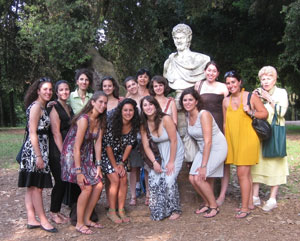
This month I had the pleasure to meet the Italian-American university students who participated in the cultural exchange with NOIAW and the Italian Ministry of Foreign Affairs (MAE).

I conducted a seminar for these young ladies on “The Role of Italian Language and Culture in Present Society”.
How many wonderful things we can accomplish through the values of our Italian heritage!

The Italian language and culture can add a human touch to our daily life, improve personal growth, self-expression, communication and relationships, and bring a positive contribution to our present world and society.

The values inherent in Italian language and culture encourage a big vision of life, and help to make this vision come alive.

Buona pratica dell’italiano per tutti!

P.S.
After the seminar we took a nice walk in Villa Borghese: nature, art, history and humanity combined!

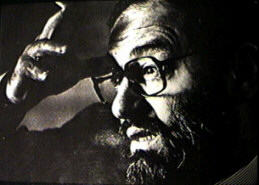
Un’intervista con lo scrittore Umberto Eco (An interview with novelist Umberto Eco)

Umberto Eco non crede alle vecchie convinzioni sull’ispirazione e la passione nell’arte: “La gente non ha ancora imparato che ogni lavoro d’arte è un gioco che si svolge a un tavolo da lavoro. Niente è peggio per l’arte che la passione dell’ispirazione; è la favola dei romantici scadenti che affascina i poeti e i romanzieri scadenti. L’arte è un affare serio.”

Umberto Eco has never believed in old convictions of inspiration and passion in art. “People have not yet learned that every work of art is a game played out at the worktable. Nothing,” he says, “is more harmful to creativity than the passion of inspiration. It’s the fable of bad romantics that fascinates bad poets and bad narrators. Art is a serious matter.”

To practice Italian this week we invite you to listen and read… PRACTICE HERE: Italian/English Version

Para practicar el idioma italiano esta semana te invitamos a escuchar y leer… PRACTICA AQUÍ: Versión Italiano/Española

Il sogno medievale – parte 1 (The Medieval dream – part 1)

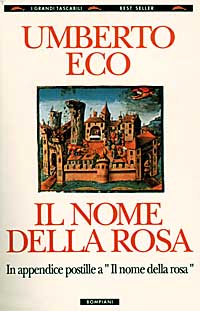
La biblioteca nacque in seguito ad un disegno rimasto oscuro attraverso i secoli, ci racconta l’abate benedettino de “Il Nome della Rosa”, il romanzo di Umberto Eco di maggior successo. Nessuna verità, continua l’abate, può essere rivelata a tutti, come nessuna bugia può essere riconosciuta come tale dagli spiriti pii. Il libro è una fragile creatura, ci dice, che soffre dell’usura del tempo.
“The library was born according to a design that has remained obscure throughout all centuries,” says the Benedictine Abbot in Umberto Eco’s best seller novel, “The Name of the Rose. All truths,” says the Abbot, “are not meant for all ears; not all lies can be recognized as such by pious spirits. The book is a fragile creature,” he says, “it suffers from the use of time.”

To practice Italian this week we invite you to listen and read…
PRACTICE HERE: Italian/English Version

Para practicar el idioma italiano esta semana te invitamos a escuchar y leer…
PRACTICA AQUÍ: Versión Italiano/Española

Caravaggiomania!

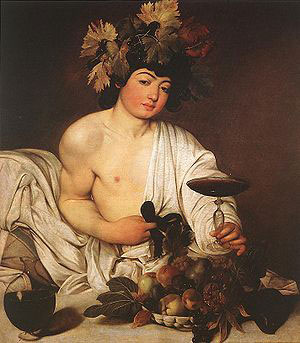
Il celebre pittore Caravaggio è la star italiana dell’anno 2010.

“Caravaggio, che in qualche modo trovava il tempo di dipingere quando non si azzuffava con qualcuno, non inseguiva donne (e uomini), non uccideva avversari di pallacorda, non scappava dai sicari della polizia…, ha scalzato Michelangelo dal suo piedistallo”.

Famous painter Caravaggio is the Italian star of the year 2010.
“Caravaggio, who somehow found time to paint when he wasn’t brawling, chasing women (and men), murdering a tennis opponent, fleeing police assassins… has bumped Michelangelo from his perch”.

To improve your Italian this week, we invite you to practice with Caravaggio… PRACTICE HERE: Italian/English Version

Para mejorar el idioma italiano esta semana te invitamos a practicar con Caravaggio… PRACTICA AQUÍ: Versión Italiano/Española

Festa della donna (International Women’s Day)

Oggi in Italia celebriamo la festa della donna.

Auguri alle donne e auguri anche agli uomini che hanno la fortuna di vivere in un mondo con le donne!

ITALIANO:
Giornata Internazionale della Donna

INGLESE:
International Women’s Day

SPAGNOLO:
Dia Internacional de la Mujer

Per vivere con passione, ascoltate questa donna potente:

Isabel Allende

Ascoltare e testare (listen and test)


Nei corsi di CyberItalian trovi dei suggerimenti per la pronuncia corretta. Inoltre, le nostre “Guide alla Pronuncia” sono sempre disponibili per pronunciare qualsiasi parola o frase desideri sentire.
Regole generali: le parole italiane terminano con una vocale. Tutte le vocali in una parola devono essere articolate e pronunciate chiaramente. Verifica le tue abilità di ascolto con l’esercizio seguente.

In the CyberItalian courses you will find the necessary tips for a correct pronunciation. Moreover, our ‘Pronunciation Guides’ are always available to pronounce any word or sentence you wish to hear.
General rules: Italian words end with a vowel. All vowels in a word should be clearly articulated and pronounced. Check your listening skills with the following exercise.

To practice Italian this week we invite you to listen and test…….. PRACTICE HERE: Italian/English Version

Para practicar el idioma italiano esta semana te invitamos a escuchar y testar… PRACTICA AQUÍ: Versión Italiano/Española

Pazienza, a Sicilian Mantra


“Pazienza, Sicilians tell me. I’m not a patient person, but I’m beginning to suspect I’ll need some endurance to get the life I want to lead.

What is the life I want to lead, anyway?

A stop-the-world-I-want-to-get-off life, a turn-back-the-clock-a-century life. A new life. A second life.

A friend forwards an email from a British guy who is temporarily living in Italy: Anyone buying any kind of property in Italy needs counseling. I send my deepest sympathies to the lady in Sicily…”

An interesting insight on life in Sicily (and other parts of Italy). I recommend this blog:

baroquesicily.com

Enjoy it!

Problemi con l’italiano? (Problems with Italian language?)

Pensi di essere l’unico ad avere problemi con la pronuncia e la lingua italiana? Guarda Dustin Hoffman, (vincitore d’Oscar), mentre pratica italiano, impara una delle poesie più famose, ripete a voce alta, si arrabbia e si diverte.

Do you think you are the only one having trouble with the Italian pronunciation and language? Check Oscar winner Dustin Hoffman while he practices Italian, learns one of the most famous poems, repeats loud voice, gets upset and has fun.

To practice Italian this week we invite you to read and watch…….. PRACTICE HERE: Italian/English Version

Para practicar el idioma italiano esta semana te invitamos a leer y mirar… PRACTICA AQUÍ: Versión Italiano/Española

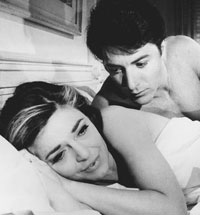
Picture from the movie The graduate with Dustin Hoffman and Anne Bancroft