Recensione (book review)


Buongiorno amici e buon inizio settimana!

7:30 am in Rome, I am having tea and sharing an interesting book with you:

The Pinocchio Effect, On Making Italians, 1860-1920

“Soon after the disparate states of the Italian peninsula unified in the 1860s to create a single nation, the nationalist Massimo D’Azeglio is said to have remarked, “We have made Italy, now we have to make Italians.” The Pinocchio Effect draws on a remarkably broad array of sources to trace this making of a modern national identity in Italy, a subject that remains strikingly understudied in the English-speaking world of Italian studies.”

I think this subject is understudied and underestimated also in the Italian-speaking world!

Pinocchio is a character created in 1881 by the Italian writer Collodi. On CyberItalian we chose this famous Italian puppet to guide you in the Lessons. Why?

Because Pinocchio represents the idea of “personal growth” at all levels (intellectual and emotional). And personal growth is a very important factor in any aspect of life.

Hopefully Italians will remember this, as Italy nowadays is struggling with a modern concept of state, democracy, journalism, unity, politics and quality of life…

Ascoltare e testare (listen and test)

L’italiano è una lingua molto musicale. Per migliorare la tua comprensione uditiva e per apprendere una corretta pronuncia ti suggeriamo di iniziare a “sviluppare il tuo orecchio” ascoltando la lingua italiana, gli audio e le canzoni il più possibile. Ascolta e ripeti ciò che senti.
Per praticare l’italiano questa settimana ti invitiamo a ascoltare e testare…

PRACTICE HERE: Italian/English Version
PRACTICA AQUÍ: Versión Italiano/Española

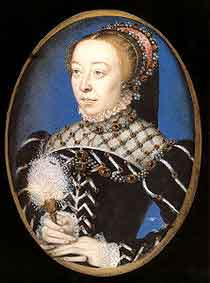
La grande Caterina de’ Medici

Ieri ho visto una mostra molto interessante su Caterina de’ Medici.

Possiamo sviluppare molte riflessioni in proposito: quanto poco si parli di questa donna eccezionale, quanto il potenziale creativo e qualitativo italiano rimanga per molti versi inespresso, quanto l’Italia viva ancora di rendita dal Rinascimento, quanto la politica italiana non abbia una visione chiara di ciò che l’Italia potrebbe essere e non stia attuando politiche adeguate…

insomma…

continuiamo ad andare avanti con coraggio e passione e a portare avanti un messaggio di qualità, creatività e umanesimo italiano!

More about Catherine de’ Medici

Más sobre Catalina de Médicis

picture source: wikipedia.org

Apertura del Maxxi a Roma (Maxxi opening in Rome)

“ROME — What would Pope Urban VIII have made of Maxxi, the new museum of contemporary art designed by Zaha Hadid on the outskirts of this city’s historic quarter? My guess is that he would have been ecstatic.

This 17th-century pope, one of the most prominent cultural patrons in Roman history, understood that great cities are not frozen in time.” See more on New York Times

Estratti del seminario (Extract from workshop)

Cari amici,

vi scrivo da una Roma piovosa ma con colori bellissimi.

Il seminario di sabato scorso (The Role of Italian Language Teaching in Present Society) in video conferenza Roma/NY è andato benissimo, veramente una bella esperienza!

Gli insegnanti hanno trovato ispirazione e materiale educativo da riproporre in classe.

Mi auguro davvero che attraverso la lingua e la cultura italiana possiamo contribuire fortemente alla crescita personale di chi si avvicina a queste materie, al miglioramento della società e al miglioramento dell’educazione.

The Role of Italian Language Teaching in Present Society


Getting ready for conducting the WORKSHOP tomorrow; I’m very passionate about the role of the Italian language and culture in our life. A presto!

October 31, 2009 at the UFT Headquarters, 52 Broadway in Manhattan
Session I – 11:05 – 12:15
Workshop 1 – Room A
Title: The Role of Italian Language Teaching in Present Society
Presenter: Maura Garau
Affiliation: Founder of CyberItalian Inc.

Description: Teachers will learn how Italian values may encourage personal expression, how they can be turned into educational activities, and how they can help in the relationship between teacher and students. Topics will include Greetings, Work and Rest, Our Nourishment, Daily Life and The Family.
Teacher participation will be encouraged during this workshop.
(Language of workshop: English; Examples in Italian)

Quote of the week

Non è da uomo saggio dire: “Vivrò”. Vivere domani è già troppo tardi: vivi oggi.
(It is not wise to say “I will live”. Living tomorrow is already too late: you have to live today.)

by the famous Latin poet Marco Valerio Marziale