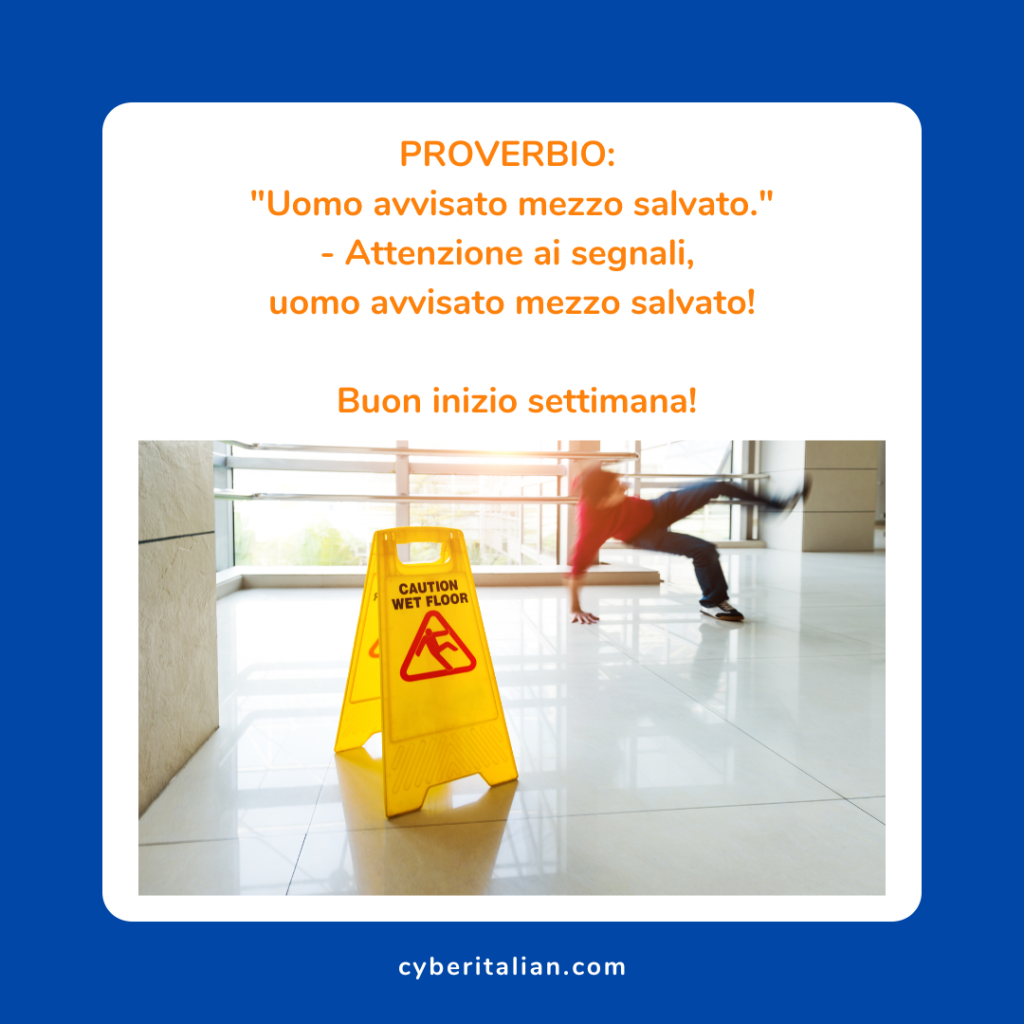
PROVERB LITERAL TRANSLATION: Man forewarned, man half saved. MEANING: Someone who knows that a problem is coming is better prepared to face it. Forewarned is forearmed. EXAMPLE SENTENCE: – Pay attention to signs. Forewarned is forearmed!
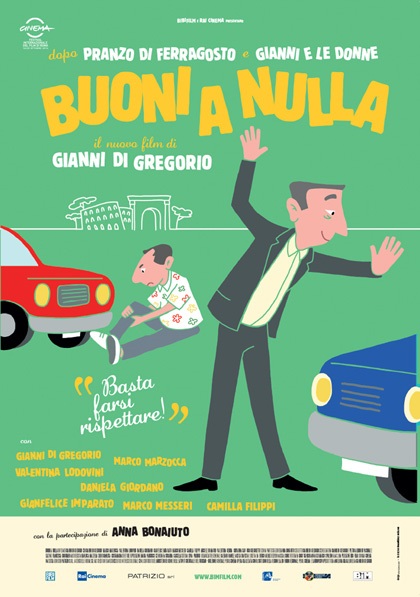
“Buono a nulla” è un’espressione idiomatica usata per indicare una persona che non è capace di fare niente. È un’espressione offensiva, non bisognerebbe mai usarla! Ma ispira il titolo di un film-commedia del regista, attore e sceneggiatore Gianni de Gregorio. Conosci dei buoni a nulla?
“Buono a nulla” (good for nothing) is an idiomatic expression used to describe a person who is not capable of doing anything. It’s an offensive expression, and one should never use it! However, it inspired the title of a comedy film by the director, actor, and screenwriter Gianni de Gregorio. Do you know any “buoni a nulla”?
Imparare i pronomi italiani può essere faticoso quanto passeggiare a lungo con i tacchi alti. Ma ci si può sedere a riposare e trovare spiegazioni ed esercizi che ci aiutino a capire e ad usare i pronomi facilmente. Ci credi? Ce la puoi fare?
Learning Italian pronouns can be as tiring as walking for a long time in high heels. But we can sit and rest and find explanations and exercises that help us understand and use pronouns easily. Can you believe it? Can you do it?
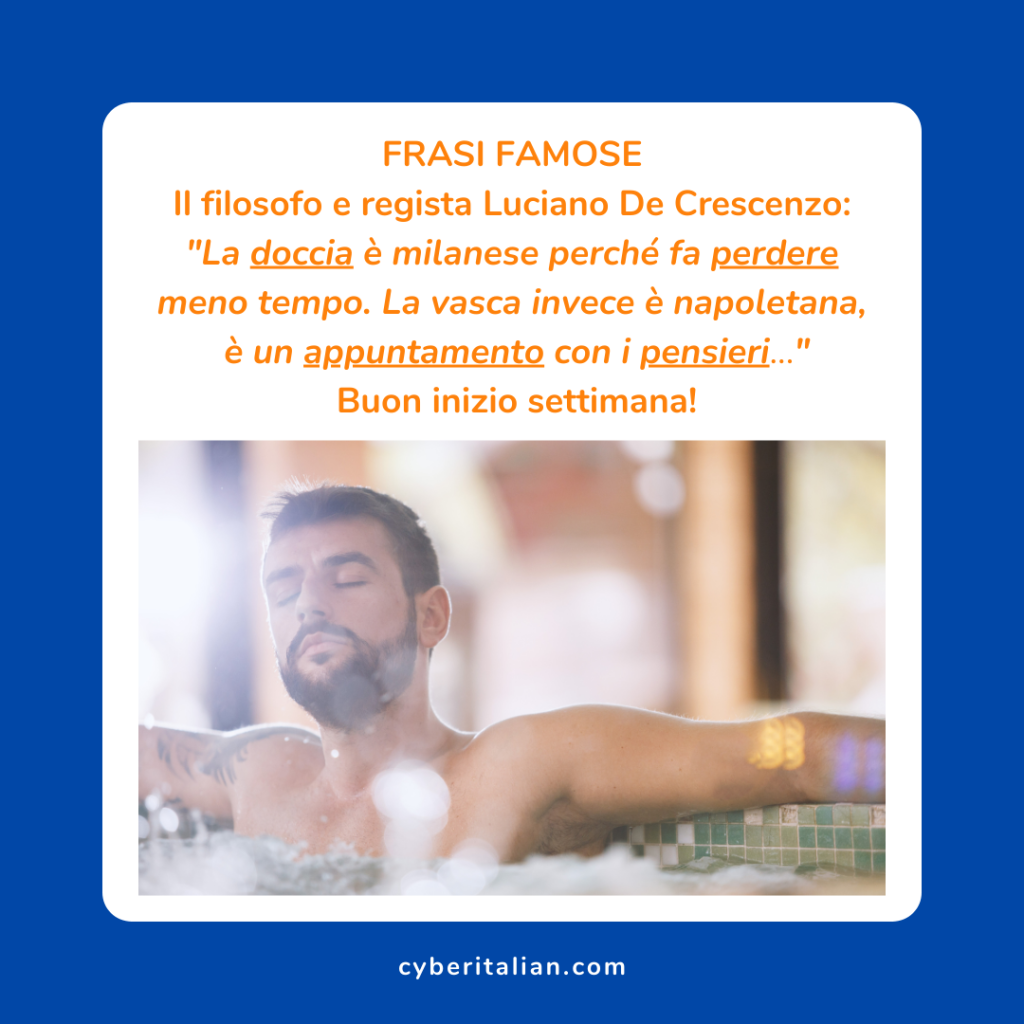
Philosopher and director Luciano De Crescenzo: “The shower is Milanese because it wastes less time. The bathtub, on the other hand, is Neapolitan, it is an appointment with our thoughts…”
“Noi affondiamo il ferro nemico senza pietà. Ma l’uomo, l’uomo lo salviamo.” Salvatore Todaro, comandante del sottomarino Cappellini durante la seconda guerra mondiale, affonda una nave nemica, ma ne salva tutto l’equipaggio. Il film Comandante, d’apertura in prima mondiale all’80ª Mostra del Cinema di Venezia, è tratto da una storia vera. Ti piacciono i film storici?
“We sink the enemy’s iron without mercy, but the man… we save the man.” Salvatore Todaro, commander of the Cappellini submarine during World War II, sinks an enemy ship but saves its entire crew. The movie “Comandante” (Commander), which premiered at the 80th Venice Film Festival, is based on a true story. Do you like historical movies?
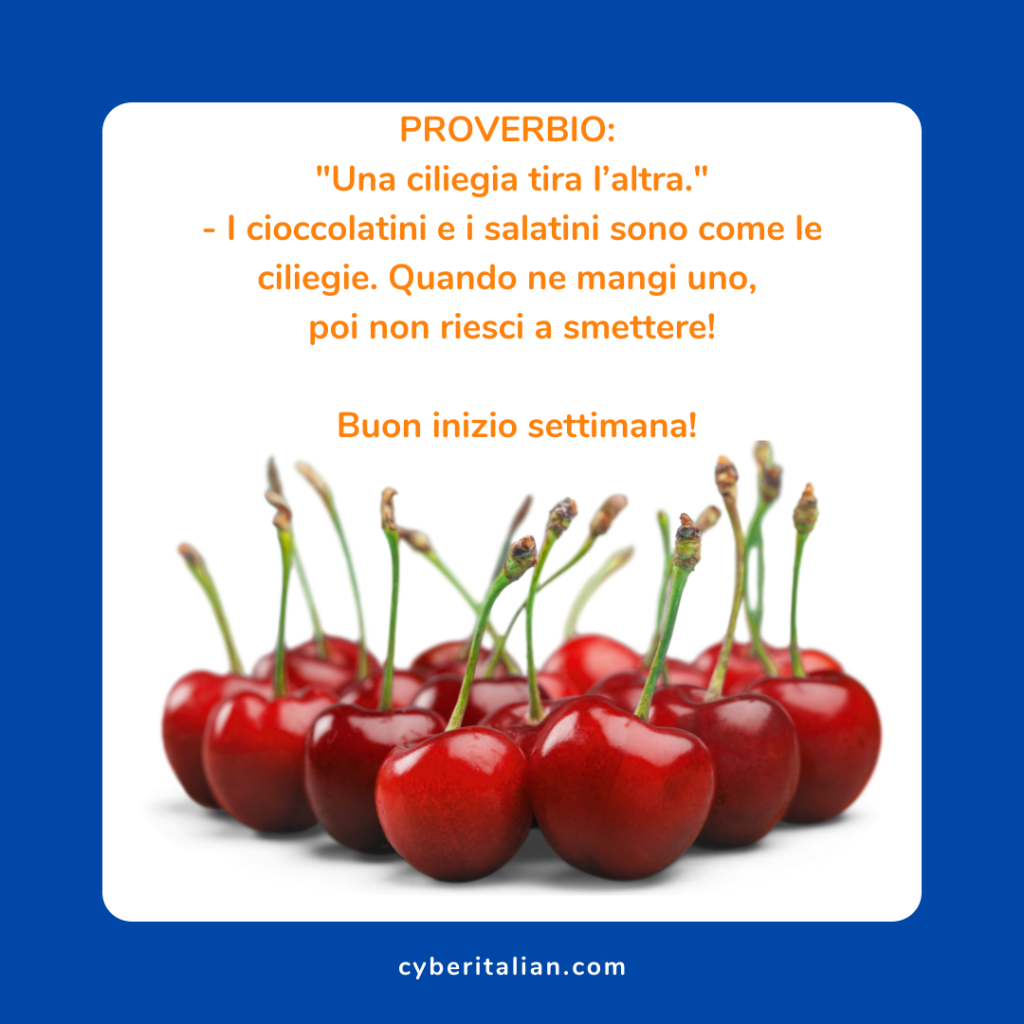
LITERAL TRANSLATION: One cherry pulls the other. EXPLANATION: One thing leads to another EXAMPLE SENTENCE: Chocolates and snacks are like cherries. When you eat one, you can’t stop!
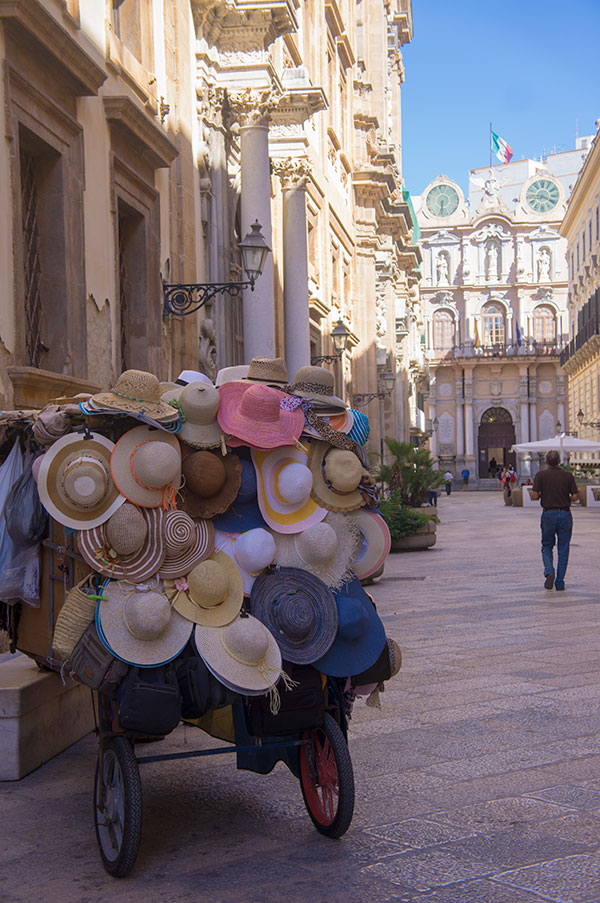
La Sicilia è la più grande regione d’Italia. Con una storia multiculturale che include greci, arabi e normanni, fertilissima a causa del clima e del vulcano Etna, la Sicilia produce sapori e profumi di un’intensità speciale. Contribuisce alla cucina italiana con molti piatti, fra cui la caponata. Conosci la Sicilia? Hai mai gustato la caponata?
Sicily is the largest region in Italy. With a multicultural history that includes Greeks, Arabs, and Normans, Sicily is very fertile due to the climate and Mount Etna, the volcano. It produces flavors and scents of a special intensity. It contributes to Italian cuisine with many dishes, including caponata. Do you know Sicily? Have you ever tasted caponata?
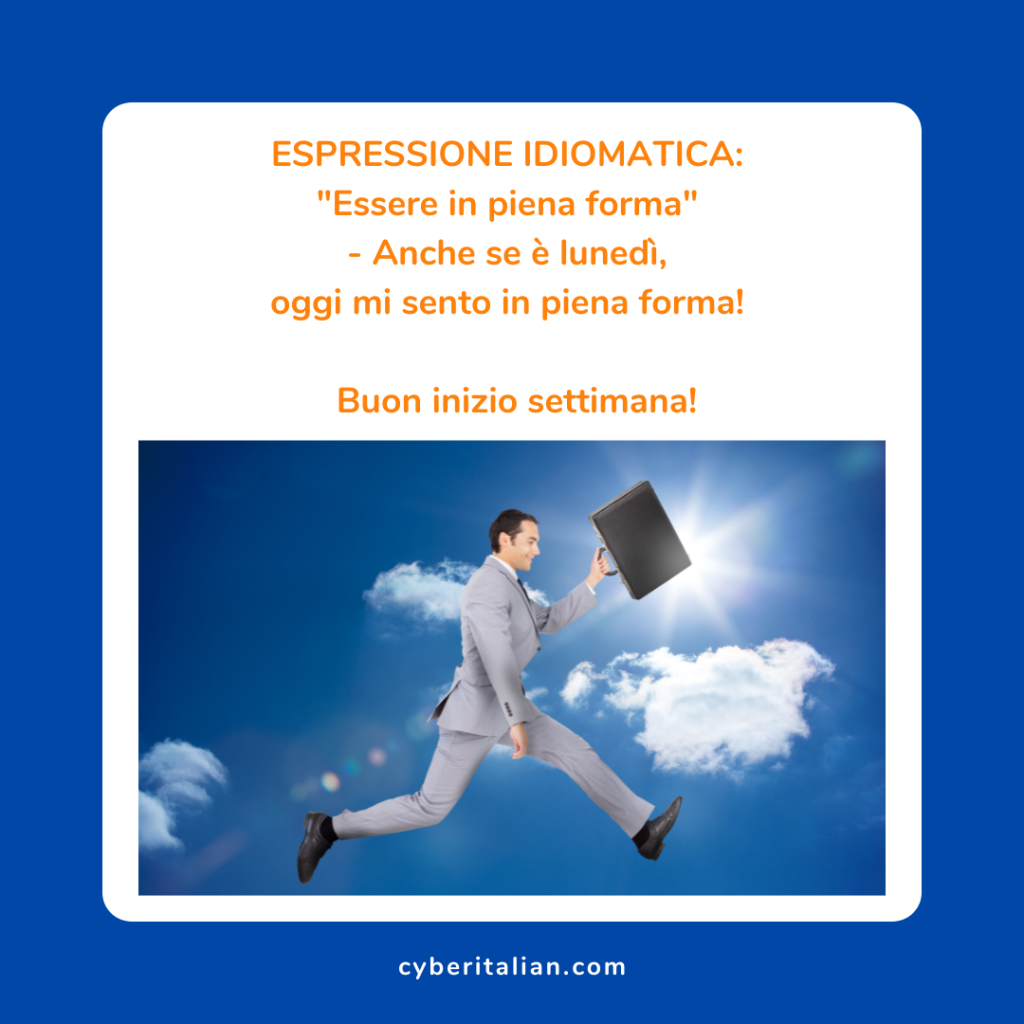
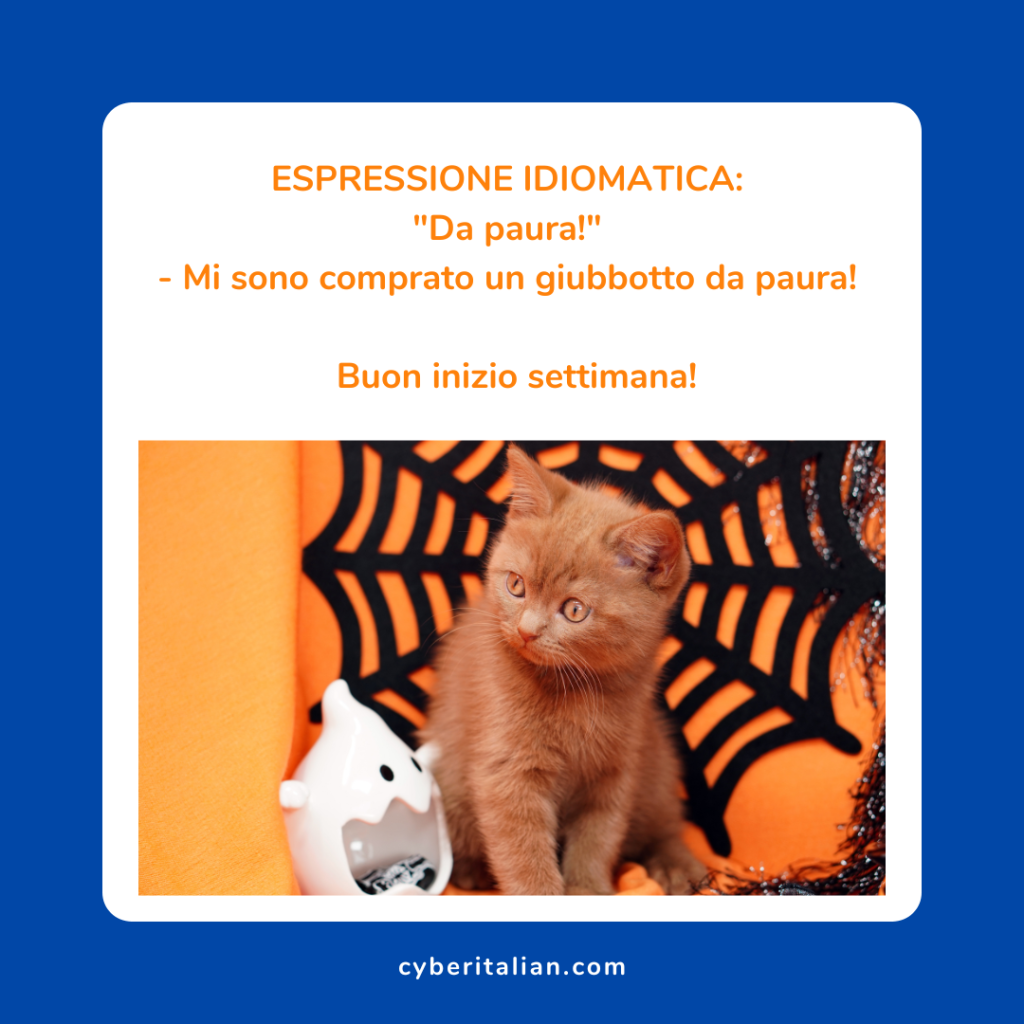
IDIOMATIC EXPRESSION: LITERAL TRANSLATION Scary TRANSLATION Awesome, Incredible! This expression is used to express excitement or admiration for something, often to emphasize that it’s really great. EXAMPLE SENTENCE – “I bought an awesome jacket!” or “I got myself an incredible jacket!”
Allegory of Grammar from Hortus Deliciarum, 1167-1185 Latin: “Per me quivis discit, vox, littera, syllaba quid sit” = Through me everyone learns what a voice/expression/sentence/word, a letter, a syllable is.
Halloween, il 31 ottobre, non è una festa tradizionale italiana, ma negli ultimi anni è diventata popolare anche in Italia: un’occasione in più per festeggiare con maschere e costumi da paura*. Per celebrare, qui a CyberItalian la cosa più spaventosa che possiamo proporti è la grammatica. Hai paura della grammatica?! *Nota l’espressione idiomatica “da paura” = favoloso, grandioso.
Halloween, on October 31st, is not a traditional Italian holiday, but in recent years, it has also become popular in Italy: one more opportunity to celebrate with awesome (and scary)* masks and costumes. To celebrate, here at CyberItalian, the scariest thing we can offer you is grammar.
Are you afraid of grammar?! *Note the idiomatic expression “da paura” (scary) = fabulous, awesome.