
Michelangelo

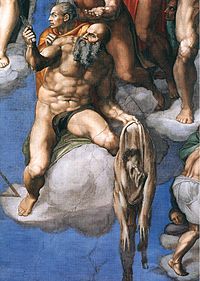
Presunto autoritratto di Michelangelo. Giudizio Universale, dettaglio.
(source Wikipedia. Click here to view and enlarge the image)

Michelangelo è stato un artista straordinario, uno dei massimi esponenti del Rinascimento italiano, un movimento artistico che ha segnato una profonda rinascita culturale e umana.
Allora, come mai nell’immagine seguente si è raffigurato come un uomo completamente svuotato?

Michelangelo was an extraordinary artist, one of the greatest exponents of the Italian Renaissance, an artistic movement that marked a profound cultural and human renaissance.
So why did he pictured himself in the following image as a completely drained man?

To practice Italian this week we invite you to reasearch…
PRACTICE HERE: Italian/English Version

Para practicar el idioma italiano esta semana te invitamos a investigar…
PRACTICA AQUÍ: Versión Italiano/Española

Esercizio di ascolto principianti 2 (Listening exercise – beginner 2 level)


L’italiano è una lingua molto musicale. Per migliorare la tua comprensione uditiva ti suggeriamo di “sviluppare il tuo orecchio” ascoltando gli audio, le canzoni e la lingua italiana il più possibile. Ascolta e ripeti ciò che senti.
Sei uno di quelli che si scoraggiano immediatamente quando non capiscono una frase in italiano?

The Italian language is very musical. To improve your listening skills we suggest you to “develop your ear” by listening to Italian audios, songs, and language as much as you can. Listen and repeat what you hear.
Are you one of those who get immediately discouraged when they don’t understand an Italian sentence?

To practice Italian this week we invite you to listen and test…
PRACTICE HERE: Italian/English Version

Para practicar el idioma italiano esta semana te invitamos a escuchar y testar…
PRACTICA AQUÍ: Versión Italiano/Española
Baustelle e il senso della vita (Baustelle and the meaning of life)

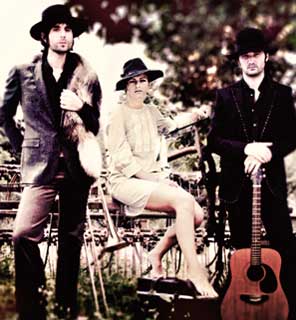
Baustelle (courtesy of Wikipedia)

Qual è il significato della vita?
A che cosa serve vivere?
Queste domande interessanti sono il tema di alcune video/interviste realizzate dal gruppo musicale toscano Baustelle.

What is the meaning of life?
What is the reason to live?
These interesting questions are the subject of a few video/interviews created by a music group from Tuscany called Baustelle.

To practice Italian this week we invite you to watch, listen and test…
PRACTICE HERE: Italian/English Version

Para practicar el idioma italiano esta semana te invitamos a mirar, escuchar y probar…
PRACTICA AQUÍ: Versión Italiano/Española
Guardarsi: verbi riflessivi e reciproci (Looking at each other: reflexives and reciprocal verbs)

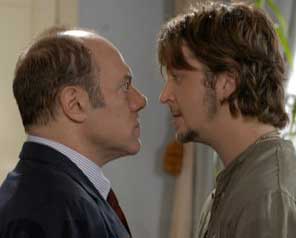
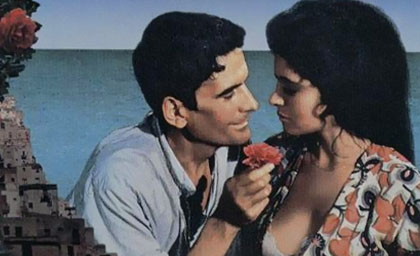
Picture from the movie “My best enemy” by Carlo Verdone

A volte non è facile guardarsi negli occhi.
A volte non è facile capirsi.
A volte non è facile sorridersi.
A volte non è facile usare i verbi reciproci.
Ma tu conosci la differenza fra verbi riflessivi e verbi reciproci?
Ti guardi negli occhi con i tuoi amici?
O ti specchi solo nelle vetrine?

Sometimes it is not easy to look into each other’s eyes.
Sometimes it is not easy to understand each other.
Sometimes it is not easy to smile at each other.
Sometimes it is not easy to use reciprocal verbs.
Do you know the difference between reflexive verbs and reciprocal verbs?
Do you look your friends in the eyes?
Or do you only look at yourself in the shop windows?

To practice Italian this week we invite you to play…
PRACTICE HERE: Italian/English Version

Para practicar el idioma italiano esta semana te invitamos a jugar…
PRACTICA AQUÍ: Versión Italiano/Española
Picture from the movie “My best enemy” by Carlo Verdone

Dare del Lei. (Using the formal approach with Lei)

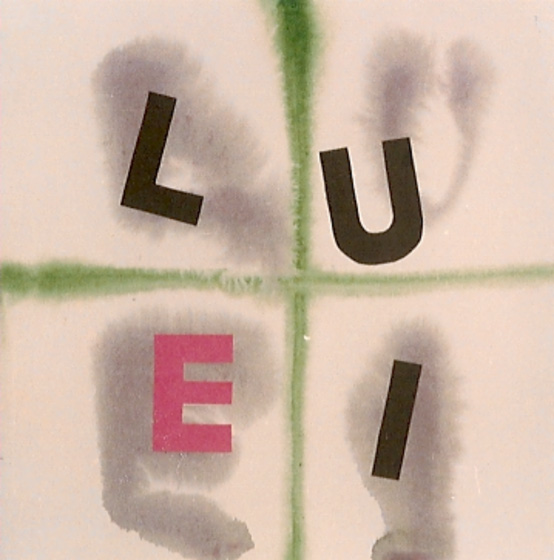
LUI LEI brand.
Courtesy of Mariapia Fanna Roncoroni

LUI-LEI, il maschile e il feminile, l’eterno incontro, scontro, reincontro di due mondi ancestrali.
Mariapia Fanna Roncoroni, un’artista delicata, sottile e raffinata, ci fa riflettere sul Lui e Lei.

HE-SHE, the masculine and the feminine, the eternal encounter, conflict, reunion of two ancestral worlds.
Mariapia Fanna Roncoroni, a delicate, subtle and refined artist, makes us think about He and She.

To practice Italian this week we invite you to watch and test…
PRACTICE HERE: Italian/English Version

Para practicar el idioma italiano esta semana te invitamos a mirar y probar…
PRACTICA AQUÍ: Versión Italiano/Española

Qual è la tua scelta? (Which is your choice?)

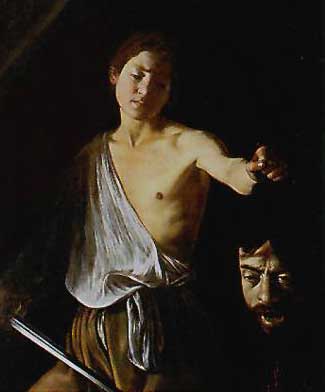
Il grande pittore Caravaggio aveva un caratteraccio e non esitava ad usare la violenza. Questo fatto lo mise molto spesso in seri guai.
Per molte persone la stizza e la rabbia sono dei sentimenti difficile da controllare. Sembra che non abbiano scelta fra una reazione rabbiosa, emotiva e incontrollata e un’azione equilibrata, efficace, appropriata alla situazione. Non sono flessibili.
E tu? Sei una persona che si arrabbia facilmente?
Riesci a scegliere la reazione più opportuna in tutte le situazioni?

The great painter Caravaggio had a terrible temper and did not hesitate to use violence. This fact put him several times in serious troubles.
For many people anger is a hard feeling to control. It seems like they don’t have a choice between an angry, emotional, and uncontrolled reaction and a balanced, effective and appropriate action. They are not flexible.
And you? Are you a person who gets angry easily?
Can you choose the most appropriate reaction in each situation?

To practice Italian this week we invite you to read and test…
PRACTICE HERE: Italian/English Version

Para practicar el idioma italiano esta semana te invitamos a leer y testar…
PRACTICA AQUÍ: Versión Italiano/Española

Spaghetti con poesia (Poetic spaghetti)

Riesci a percepire che il prezzemolo è allegro, il basilico un po’ snob e le zucchine pericolose? (Perché se cucinate bene le zucchine sono eccezionali ma se non le prepari bene possono essere molto tristi…)

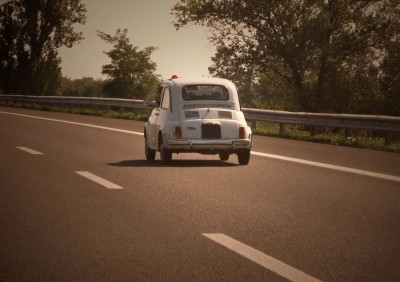
La buona cucina e il cibo possono essere molto poetici.
Ti piace la poesia?
Hai mai parlato con i carciofi?

Can you feel that parsley is cheerful, basil snobbish and zucchini dangerous? (Because if cooked well, zucchini are great but if you do not prepare them well they can be very sad…)
Good cooking and food can be very poetic.
Do you like poetry?
Have you ever talked with artichokes?

To practice Italian this week we invite you to read and cook…
PRACTICE HERE: Italian/English Version

Para practicar el idioma italiano esta semana te invitamos a leer y cocinar…
PRACTICA AQUÍ: Versión Italiano/Española

Picture from the movie: Il Postino

Cambiamenti – frasi idiomatiche e ipotetiche (Changements – idiomatic and hypothetical phrases)

Vasco Rossi (fonte Wikipedia)

Vasco Rossi (fonte Wikipedia)

Alcune persone pensano che sia impossibile cambiare. Pensano che che la vita e le persone siano come sono e che non si possa fare nulla.
Cosa pensi tu?
Pensi di poter cambiare qualcosa di te o della tua vita e migliorarla?

Some people think it’s impossible to change. They think that life and people are the way they are, and nothing can be done.
What do you think?
Do you think you can change something about yourself or your life, and improve it?

To practice Italian this week we invite you to sing and test…
PRACTICE HERE: Italian/English Version

Para practicar el idioma italiano esta semana te invitamos a cantar y probar…
PRACTICA AQUÍ: Versión Italiano/Española

Viaggio in Italia (A trip to Italy)

Sei pronto (o pronta) ad andare in Italia?
Vorresti andare ma non puoi?
Seguici e viaggia ora con noi attraverso l’itinerario che abbiamo preparato per te.
Buon viaggio!

Are you ready to go to Italy?
You would like to go but you cannot travel at this time?
Take a ride with us and travel now throughout the itinerary the we have prepared for you.
Enjoy the trip!

To practice Italian, in this activity we invite you to read…
PRACTICE HERE: Italian/English Version

Para practicar el idioma italiano, en esta actividad te invitamos a leer…
PRACTICA AQUÍ: Versión Italiano/Española

Picture courtesy of 123rf

Intervista ad una stilista italiana (Interview with an Italian fashion designer)

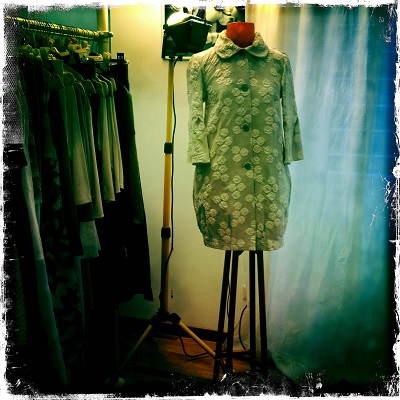
Un modello di Raffaella Cavallari, nel suo atelier

Un modello di Raffaella Cavallari, nel suo atelier

Come ci si veste secondo il gusto italiano? Come si fa ad essere eleganti? Quanto costa vestirsi bene?
Sono domande che molti studenti di italiano hanno. Ne abbiamo discusso con Raffaella Cavallari, una stilista di moda molto interessante.
A te piace l’eleganza?
Ti vesti all’italiana?

How do you dress according to the Italian style? How can you be elegant? How much does it cost to dress well?
These are questions that many students of Italian have. We have discussed them with Raffaella Cavallari, a very interesting fashion designer.
Do you like elegance?
Do you dress Italian style?

To practice Italian this week we invite you to sing and test…
PRACTICE HERE: Italian/English Version

Para practicar el idioma italiano esta semana te invitamos a cantar y probar…
PRACTICA AQUÍ: Versión Italiano/Española