




Activity: Read

Imparare a memoria è uno degli scogli più duri nello studio delle lingue.

Verbi, parole e strutture da memorizzare.


Hai una buona memoria?

Quali sono le tue strategie per la memorizzazione?

Learning by heart is one of the most challenging parts of language learning. Verbs, vocabulary, and sentence structures all need to be memorized.


How’s your memory?

What strategies do you use to help you remember things?


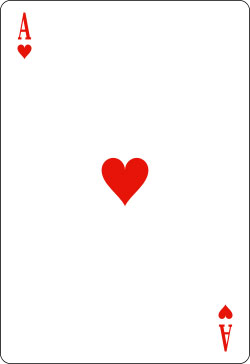
asso di cuori
L'asso di cuori


Share this activity:


Are you afraid of learning by heart?

Molte persone non amano sforzarsi di memorizzare. Hanno ragione! A volte memorizzare è tedioso. Tuttavia, ci sono delle tecniche che facilitano la memorizzazione. E avere una buona memoria è molto utile!

Qui ci sono 8 consigli:

  1. Cerca di capire bene le informazioni. Se non capiamo le informazioni, la memorizzazione è difficile. Se non capisci chiedi aiuto a un insegnante.
  2. Usa il cuore: trova una buona motivazione per studiare e memorizzare le informazioni. Se non ce l'hai, creala! (Ecco perché la traduzione inglese di "impara a memoria" è "impara con il cuore". Significa "creare una connessione personale fra te e ciò che devi memorizzare").
  3. Crea una storia con le parole o la sequenza di parole che vuoi ricordare. Ad esempio, per ricordare la parola italiana "CASA" gli studenti di madrelingua inglese possono usare l'immagine di un gatto (CAt) che ruba un salame (SAlami) dalla cucina di casa.
    Più l'associazione è strana e surreale, meglio è.
    Ogni studente dovrebbe usare la sua madrelingua per fare associazioni.
  4. Scrivi e disegna. La scrittura sembra aiutare ad assimilare più profondamente le informazioni perché esiste una connessione diretta tra la nostra mano e il nostro cervello (per questo motivo molti esercizi di CyberItalian, anche se sono online, richiedono di scrivere invece che cliccare su un'opzione.)
    Sul tuo quaderno, prova a riscrivere, disegnare e riorganizzare le informazioni dopo una lezione.
  5. Quando scrivi un concetto/parola che vuoi ricordare, prova a dirli ad alta voce e visualizzarli.
  6. Entra nel ritmo e nella musica di ciò che hai bisogno di imparare. Le coniugazioni dei verbi hanno suoni specifici, quando le ripeti diventano quasi un ritornello musicale. Cogli il ritornello e continua a ripeterlo. La musica e le canzoni sono un ottimo modo per memorizzare.
  7. Inserisci ciò che devi imparare nella tua vita. Per imparare qualcosa più velocemente, falla diventare parte della tua routine quotidiana: attacca note e liste di parole italiane in giro per la casa, circondati di ciò che devi imparare.
  8. Usa le mappe mentali.

    E' più facile ricordare quando creiamo noi le nostre mappe con i nostri concetti, le nostre storie, le nostre liste. E usa molti colori!

Many people don’t like forcing themselves to memorize things, and they’re right! Sometimes memorization can be boring. But the good news is, there are techniques that make it easier. And having a good memory is incredibly helpful!


Here are 8 tips to improve your memory:

  1. Make sure you understand the material.It’s hard to remember something you don’t fully understand. If something isn’t clear, ask your teacher for help, understanding comes first.
  2. Put your heart into it.Find a personal reason to study and remember the information. If you can’t find one, create one! That’s why in English we say “learn by heart”, it means making a personal connection with what you’re trying to memorize.
  3. Turn it into a story.Create a story using the words or ideas you want to remember. For example, to remember the Italian word CASA (house/home), an English speaker might imagine a CAt stealing SAlami from the kitchen. The weirder and more surreal the story, the better it sticks. Use your native language to make your own associations.
  4. Write and draw.Writing helps information sink in more deeply because there’s a strong connection between hand and brain. (That’s why many CyberItalian exercises ask you to write, not just click.) After a lesson, try rewriting, sketching, or reorganizing what you’ve learned in your notebook.Say it out loud and picture it.
  5. When you write down a word or idea you want to remember, say it out loud and visualize it in your mind.Feel the rhythm.
  6. Get into the rhythm and sound of what you're learning. Verb conjugations, for example, have their own music. Repeat them like a song, they become easier to recall. Music is a great memory tool!Bring it into your daily life.
  7. To learn faster, make the material part of your environment. Post sticky notes or lists of Italian words around the house. Surround yourself with what you want to learn.
  8. Use mind maps.It’s much easier to remember information when you build your own mind maps using your ideas, examples, and associations. And don’t forget to use lots of color!

Nel testo seguente, lo scrittore, autore e presentatore Fabio Volo parla dell'imparare a memoria. Cosa dice?
È possibile "conoscere una persona a memoria"?

In the following text, author, actor, and TV host Fabio Volo talks about what it means to learn by heart.What does he say?And is it really possible to know a person by heart?


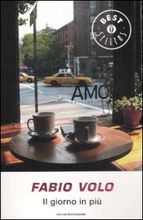
Un giorno in più, Fabio Volo


CONVERSAZIONE FRA DUE AMICI:


- "...A me, per esempio, piace conoscere una persona a memoria."


- "Come ti piace conoscere una persona a memoria? E la routine? La monotonia? Che cos'hanno di bello?"


- "No, non parlo di routine o monotonia, ma di sapere a memoria una persona. Non so come spiegartelo, è come quando studi le poesie a scuola, in quel senso intendo a memoria."


- "Questa non l'ho capita."


- "Ma si dai, come una poesia. Sai come si dice in inglese studiare a memoria? By heart, col cuore. Anche in francese si dice par coeur... ecco, in questo senso intendo. Conoscere una persona a memoria, significa, come quando ripeti una poesia, prendere anche un po' di quel ritmo che le appartiene. Una poesia, come una persona, ha dei tempi suoi. Per cui conoscere una persona a memoria significa sincronizzare i battiti del proprio cuore con i suoi, farsi penetrare dal suo ritmo. Ecco, questo mi piace... A me piace amare una persona e conoscerla a memoria come una poesia..."


(Il giorno in più di Fabio Volo)

CONVERSATION BETWEEN TWO FRIENDS:


- “...For example, I like the idea of knowing someone by heart.”


- “Knowing someone by heart? What about routine? Monotony? What’s so exciting about that?”


- “No, I don’t mean routine or monotony. I mean knowing someone by heart. It’s hard to explain... It’s like when you learn a poem in school, that’s what I mean, by heart.” 


- “I don’t get it.”


- “Come on, like a poem. You know how in English we say to learn by heart? Or in French, par cœur? That’s what I’m talking about. Knowing someone by heart means learning their rhythm, like you do with a poem. A poem, like a person, has its own flow. To know someone by heart is to sync your heartbeat with theirs, to let their rhythm seep into you. That’s what I love... I want to love someone and know them by heart, like a poem.”


(From One More Day by Fabio Volo)